NUMTO (2026)
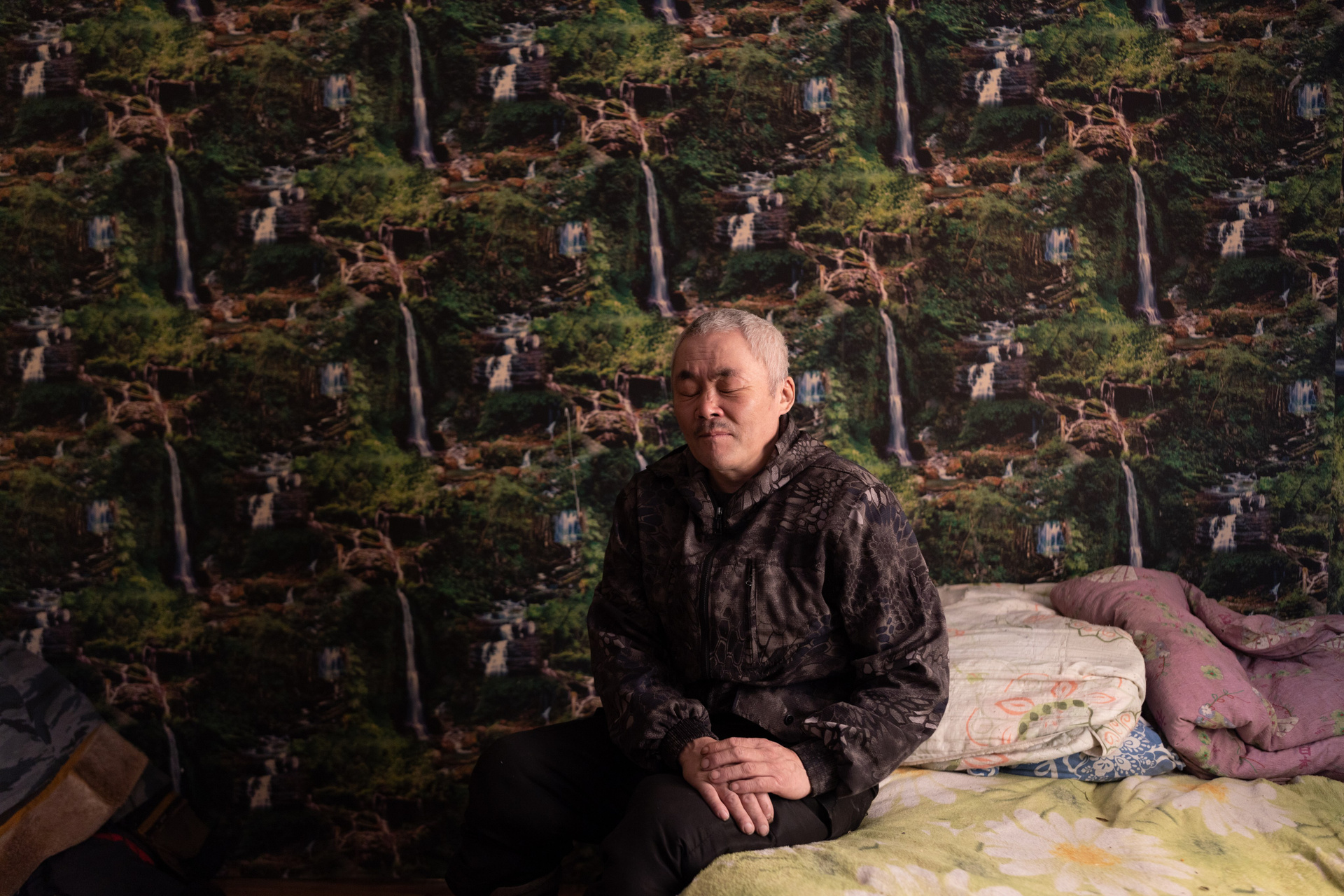
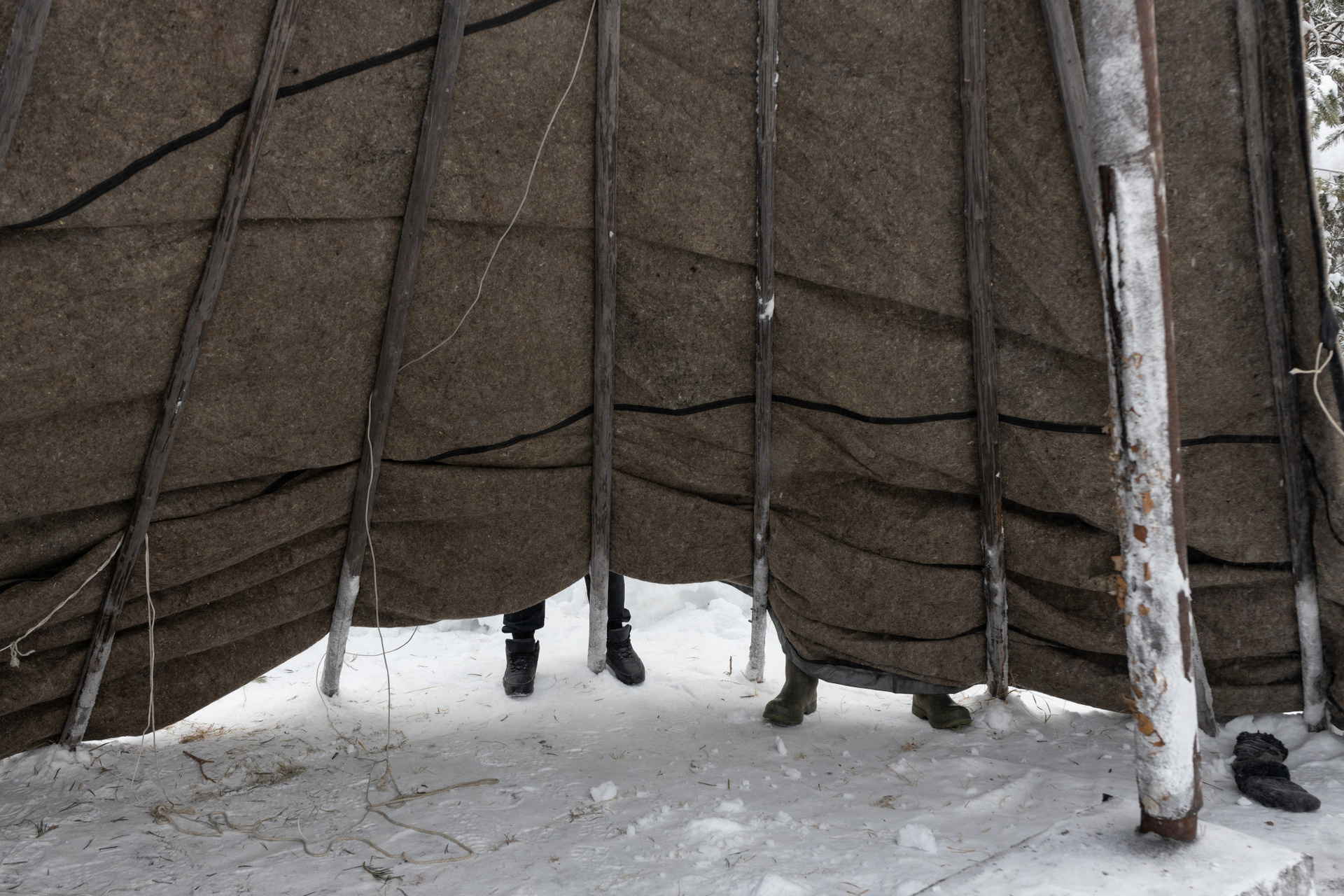
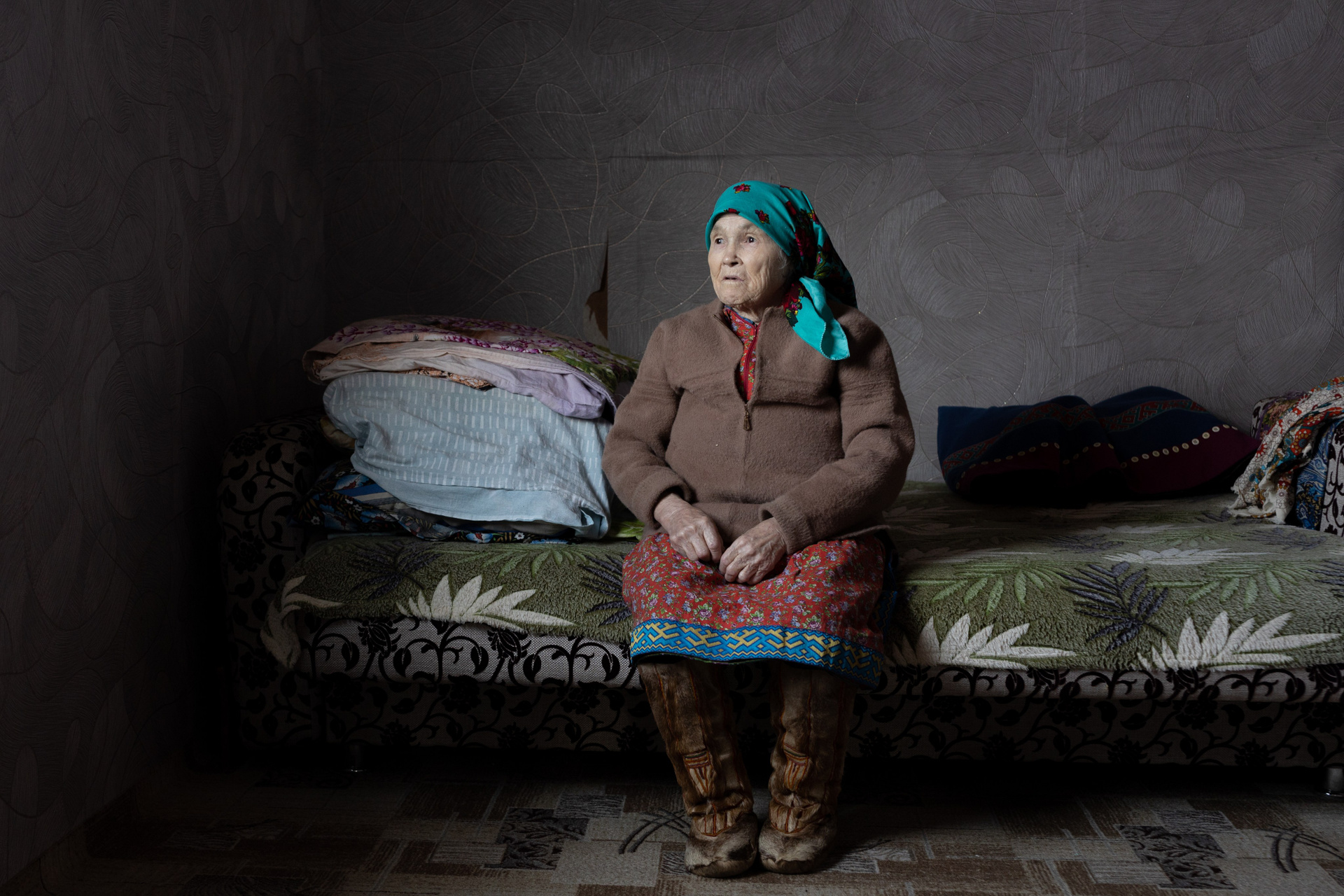
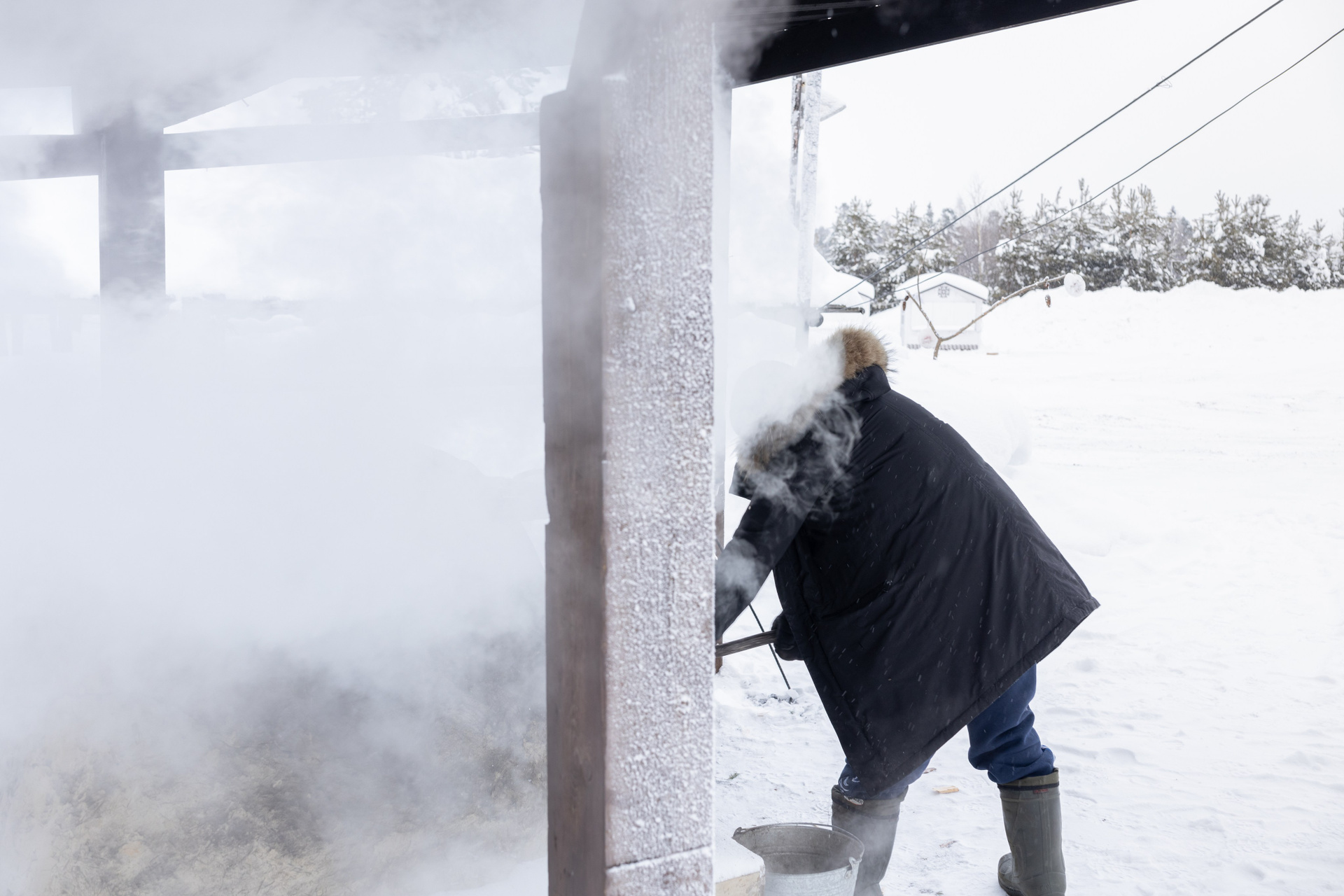
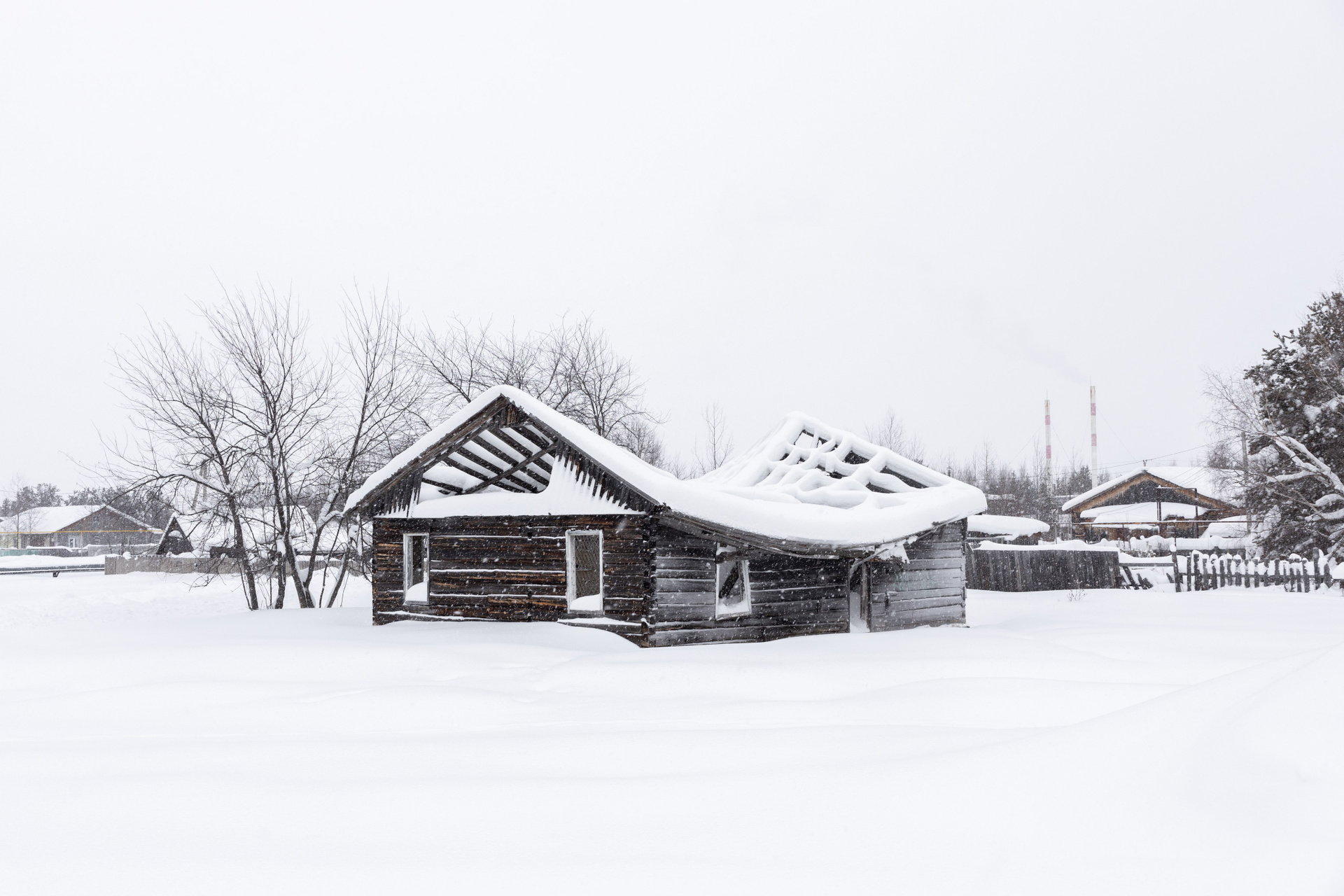
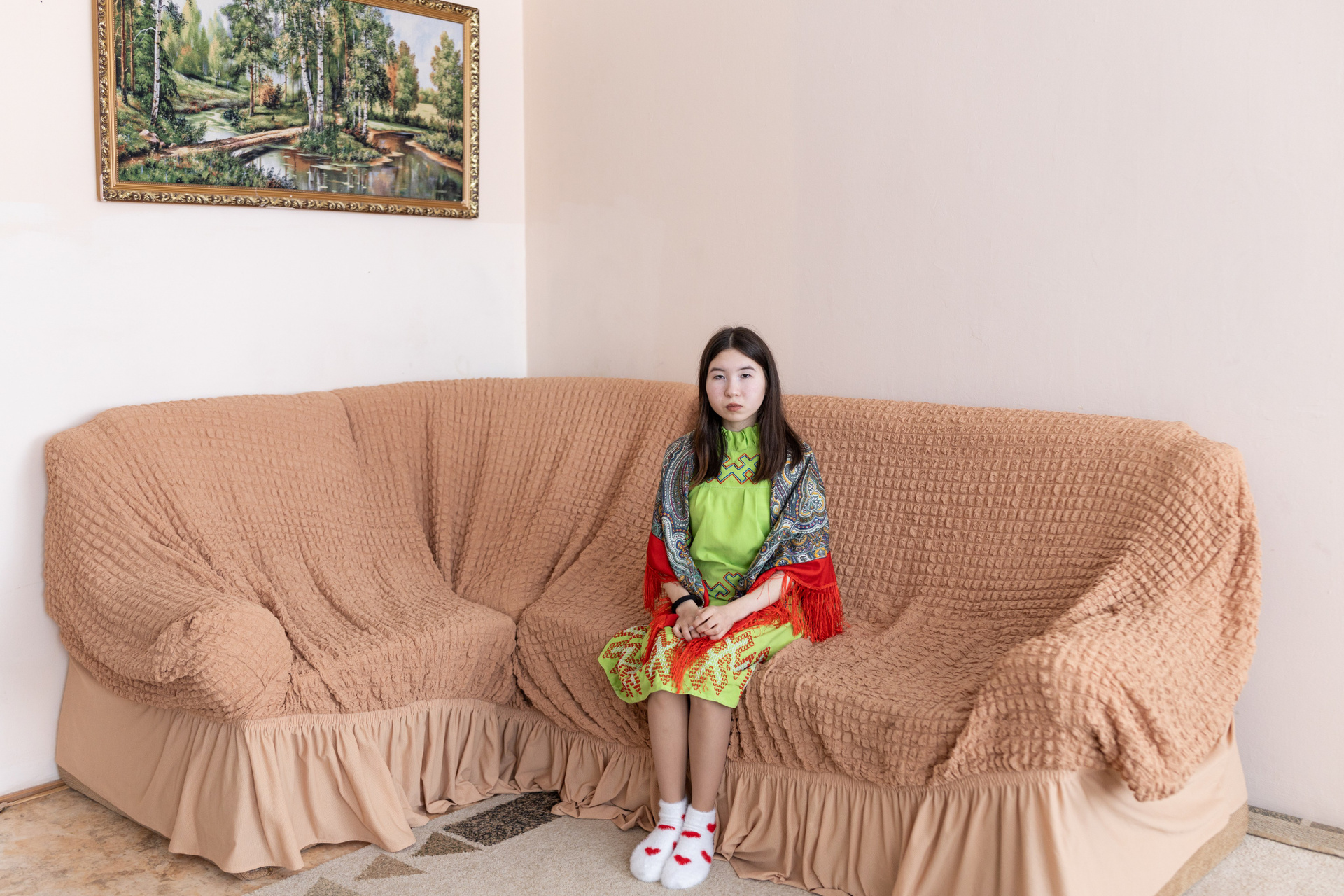
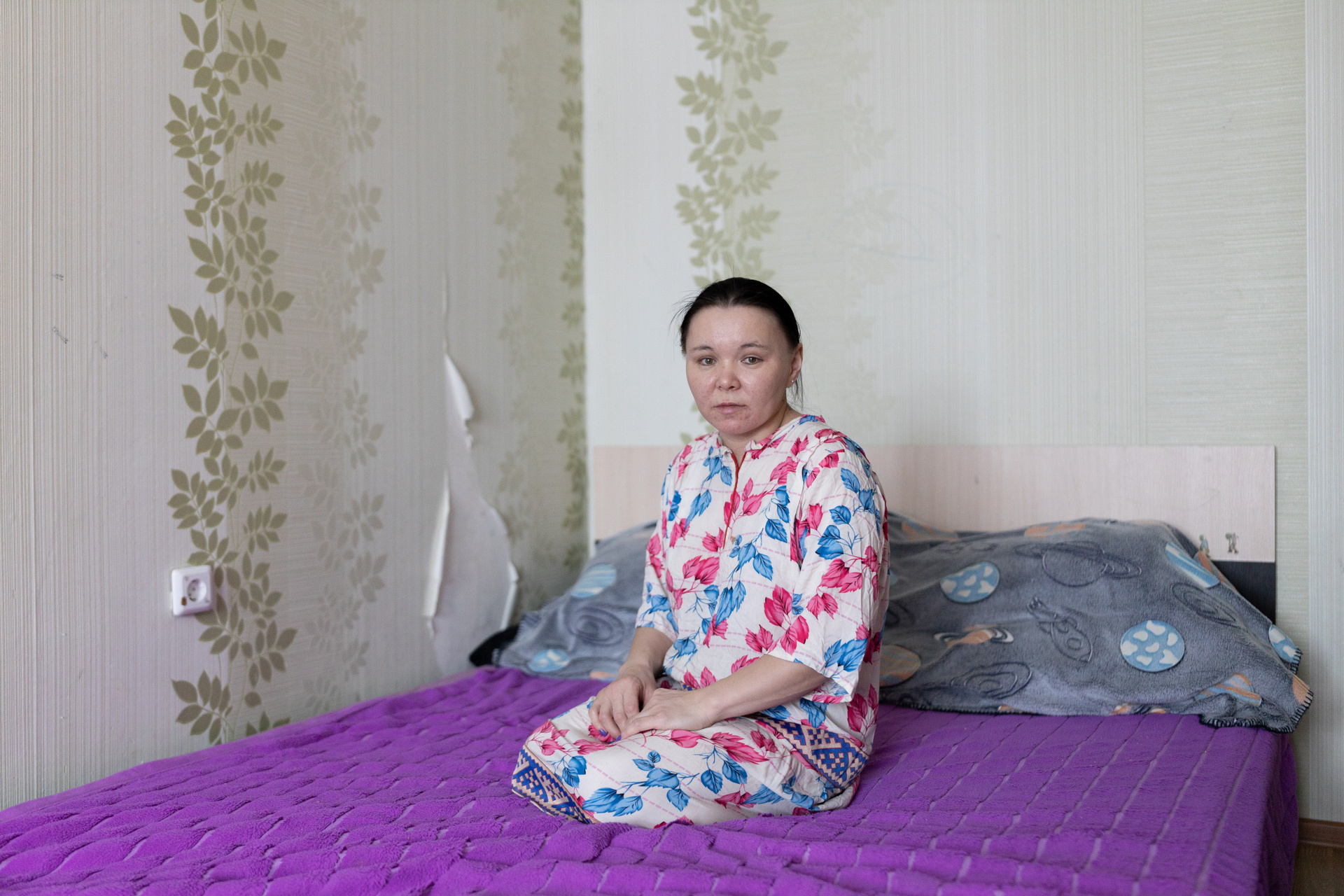
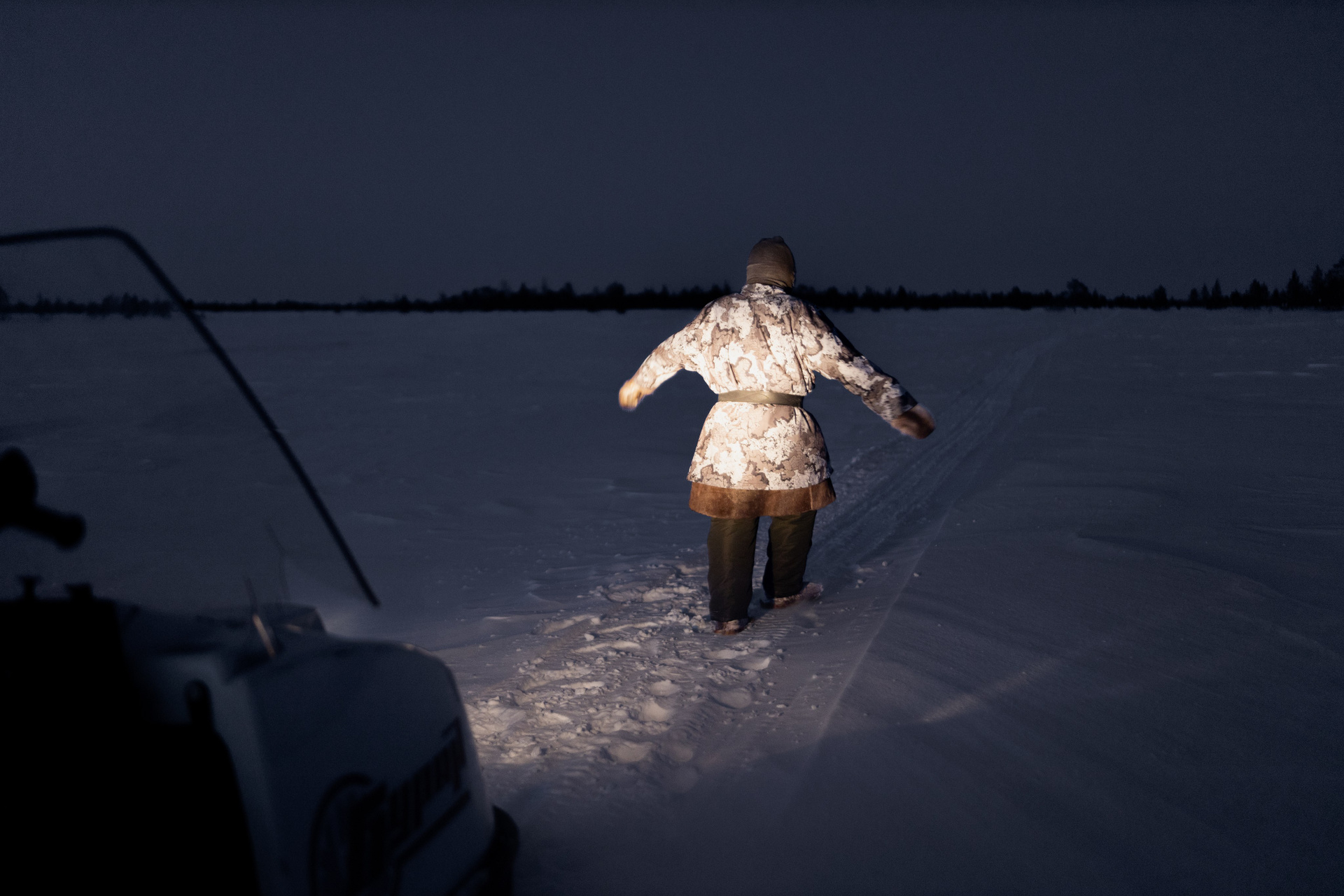
In Western Siberia, near the sacred Lake Numto (translated from Khanty as “Divine Lake”), live Indigenous Khanty and Nenets communities. The space in which they exist does not separate history, myth, and everyday life into distinct layers — they continue to exist simultaneously. According to local beliefs, this land belongs not only to humans but also to spirits; it remembers what sinks deep into time.
A hundred years ago, a violent confrontation took place here between Indigenous peoples and the state. In the late 1920s, the repressive system of the USSR acted openly: reindeer herders were burdened with unbearable taxes, herds — the foundation of existence — were confiscated, children were taken to boarding schools to sever their connection to language, faith, and tradition. Sacred beliefs and rituals were forbidden and pushed out of life; shamans, as the carriers of this knowledge, were persecuted, silenced, and imprisoned. The very logic of life on this land was seen as an obstacle that had to be removed. The conflict reached its peak in the area of Lake Numto and ended in violence, arrests, and the suppression of resistance. For local people, this became a deep trauma that is still passed on through stories and fear.
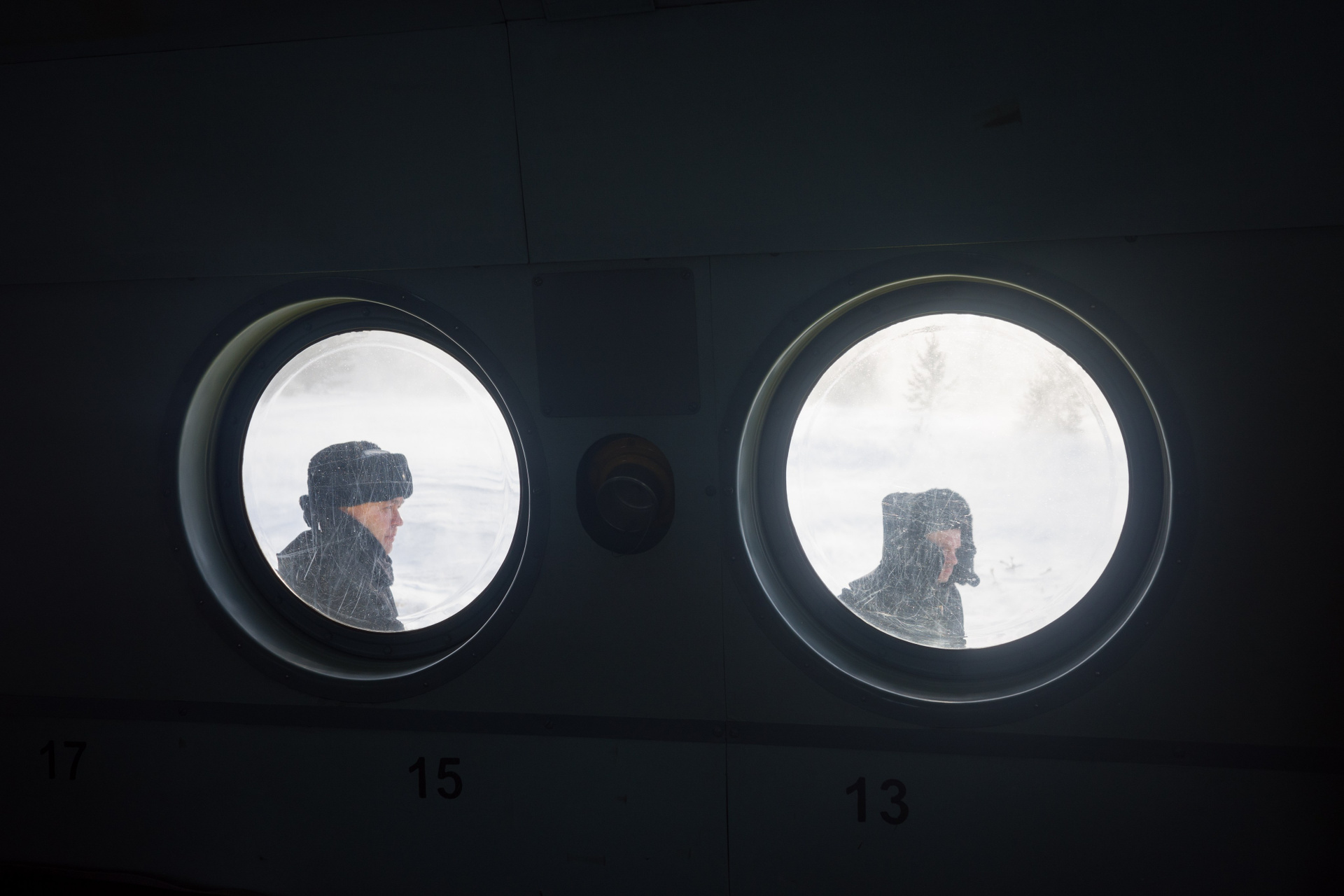
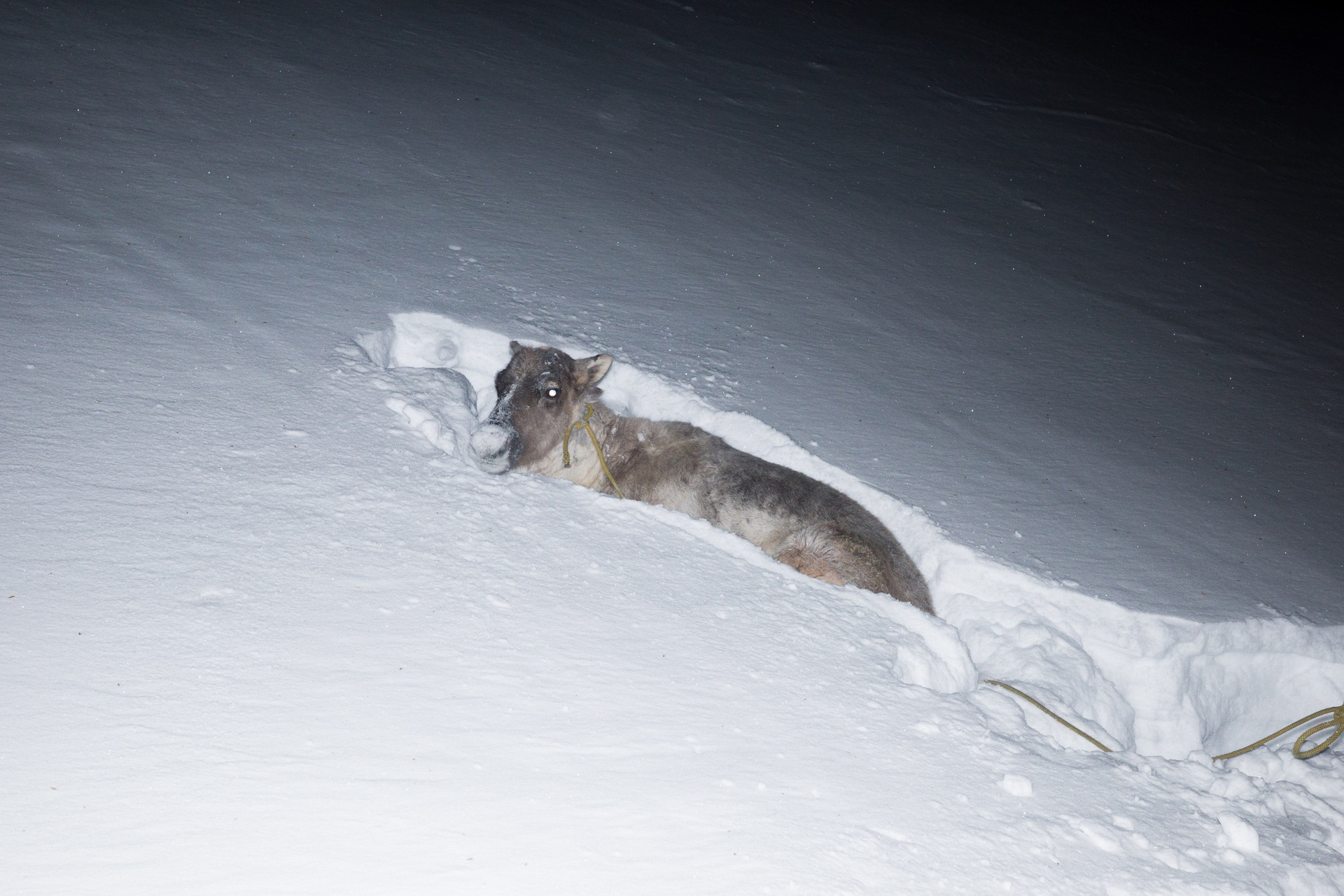
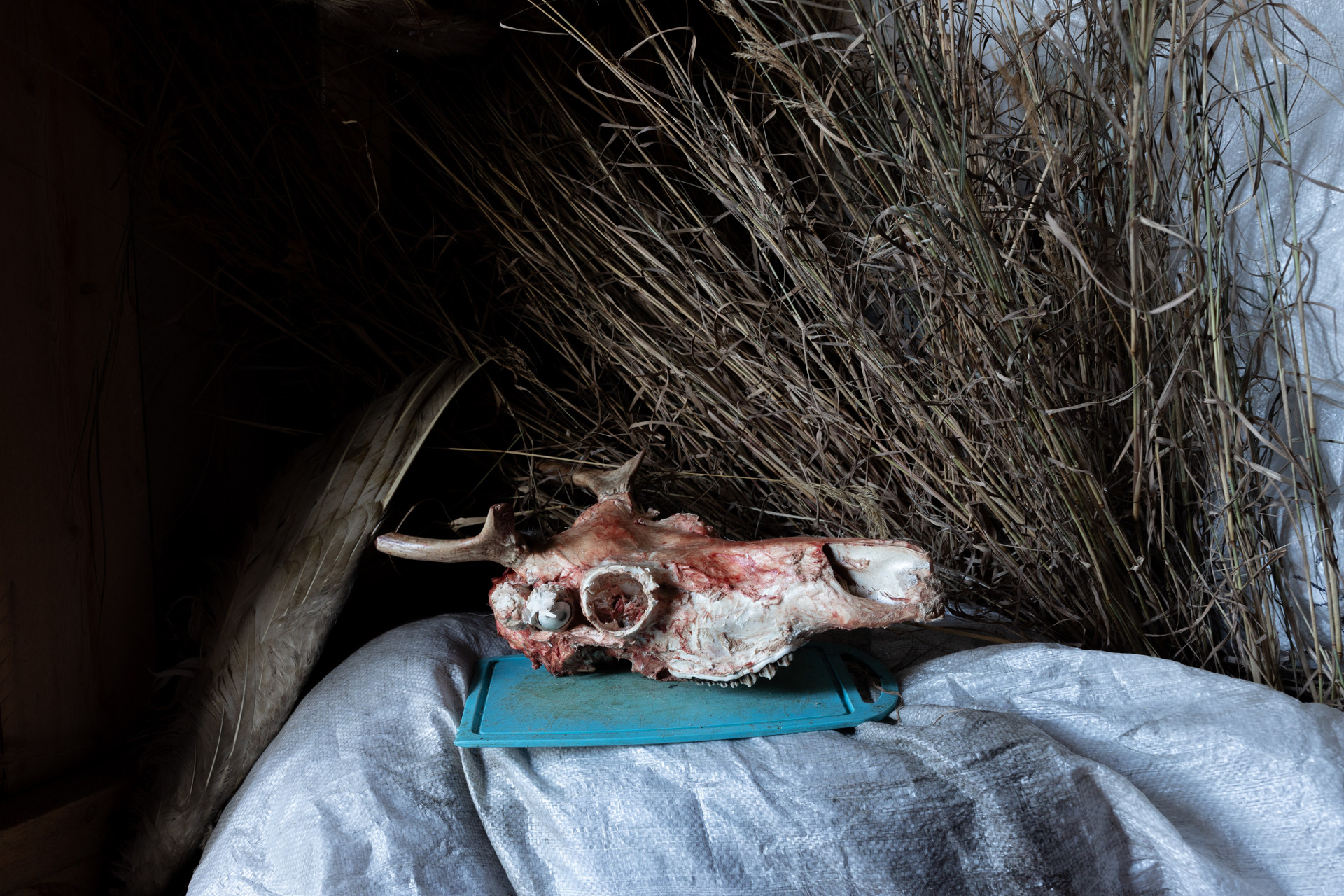
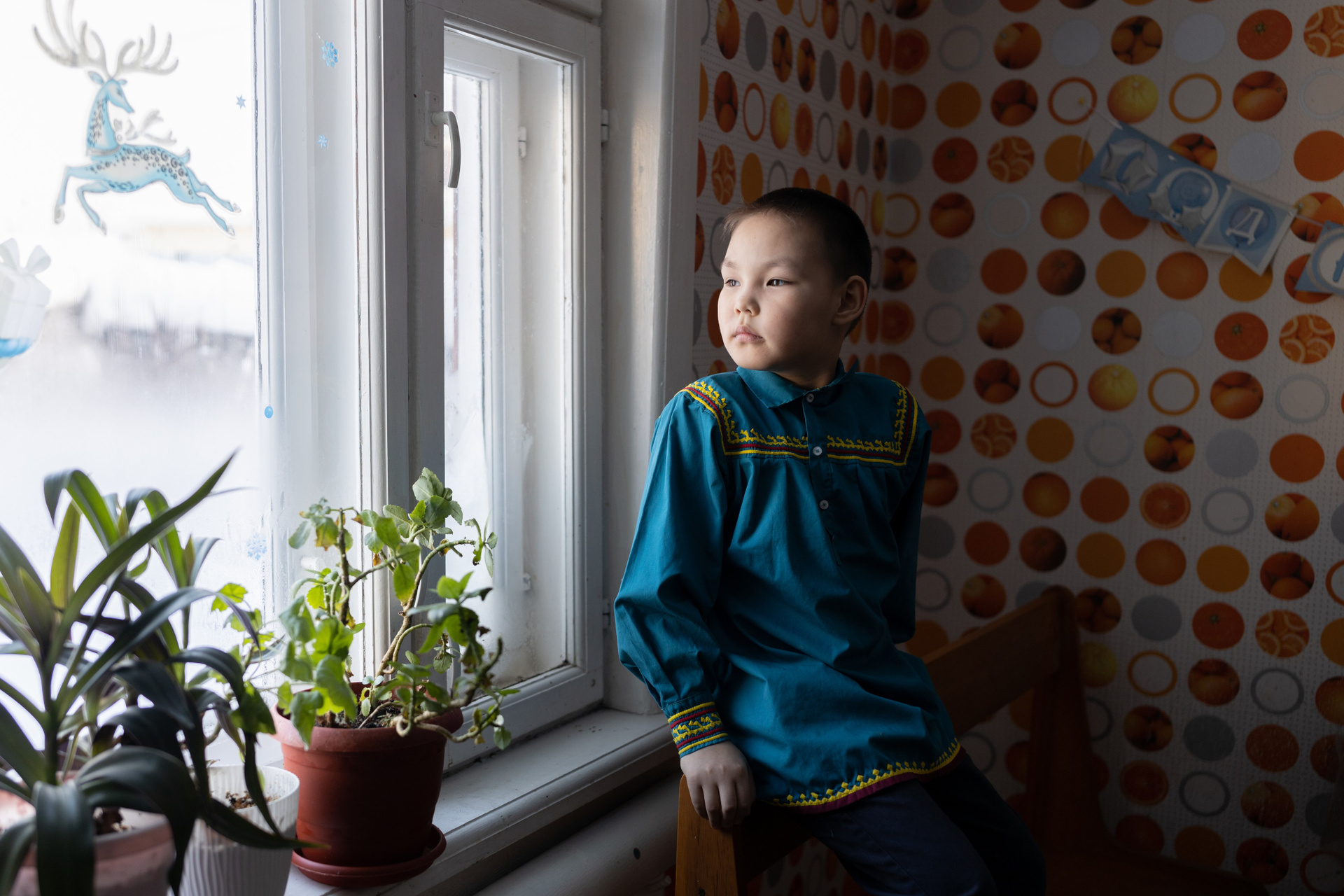
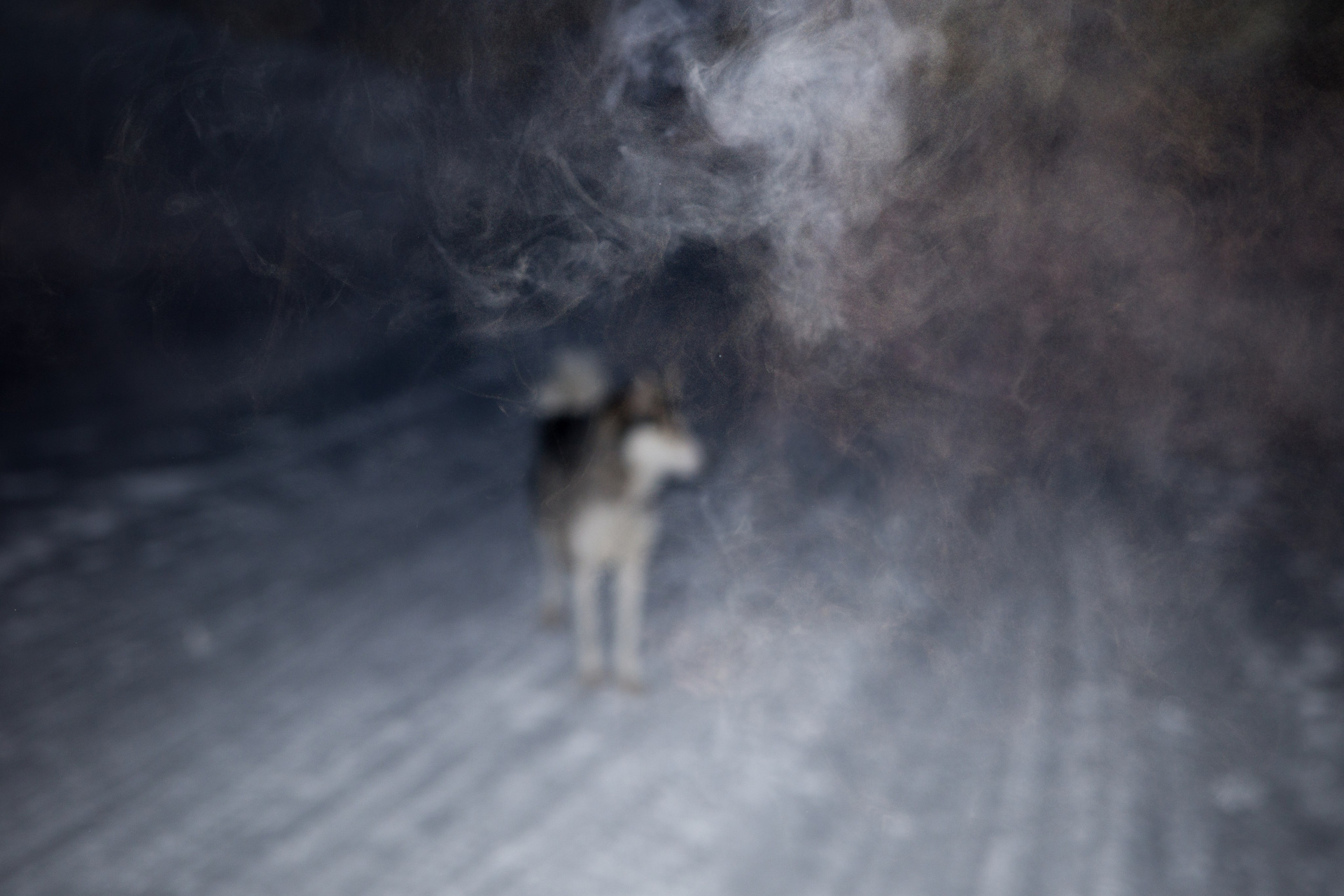
Today, direct violence has disappeared, but the rupture remains — only its form has changed. The presence of the state is less visible, but no less defining. Reindeer herders remain vulnerable: their herds are killed by wolves, while systems of protection are almost absent. Young people no longer speak Khanty or Nenets — the languages survive only in the memory of older generations. The arrival of the oil industry transforms the land, often without regard for its fragile ecology. And new political realities send men to war, where many of them are killed, continuing a chain of loss that stretches across generations.
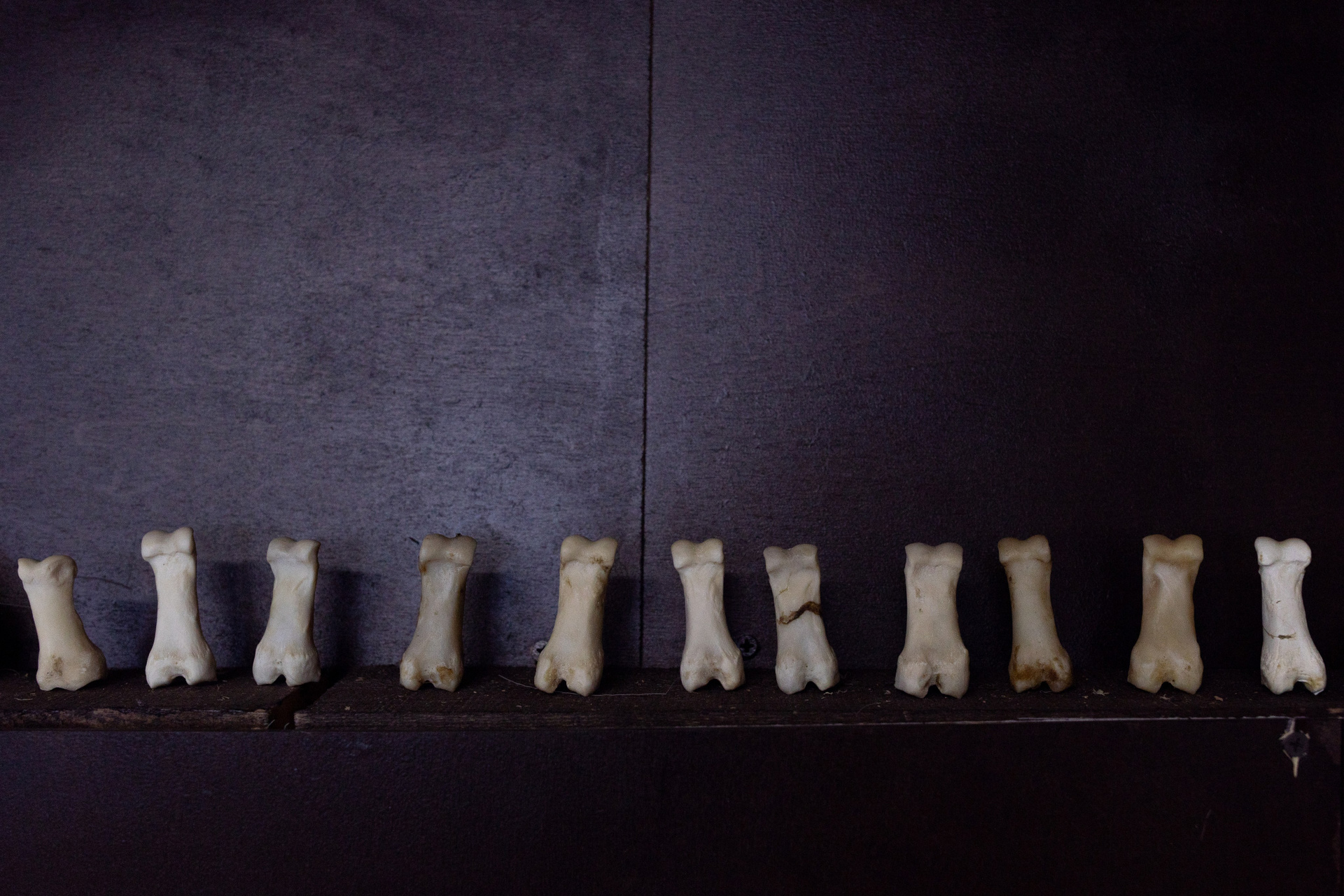
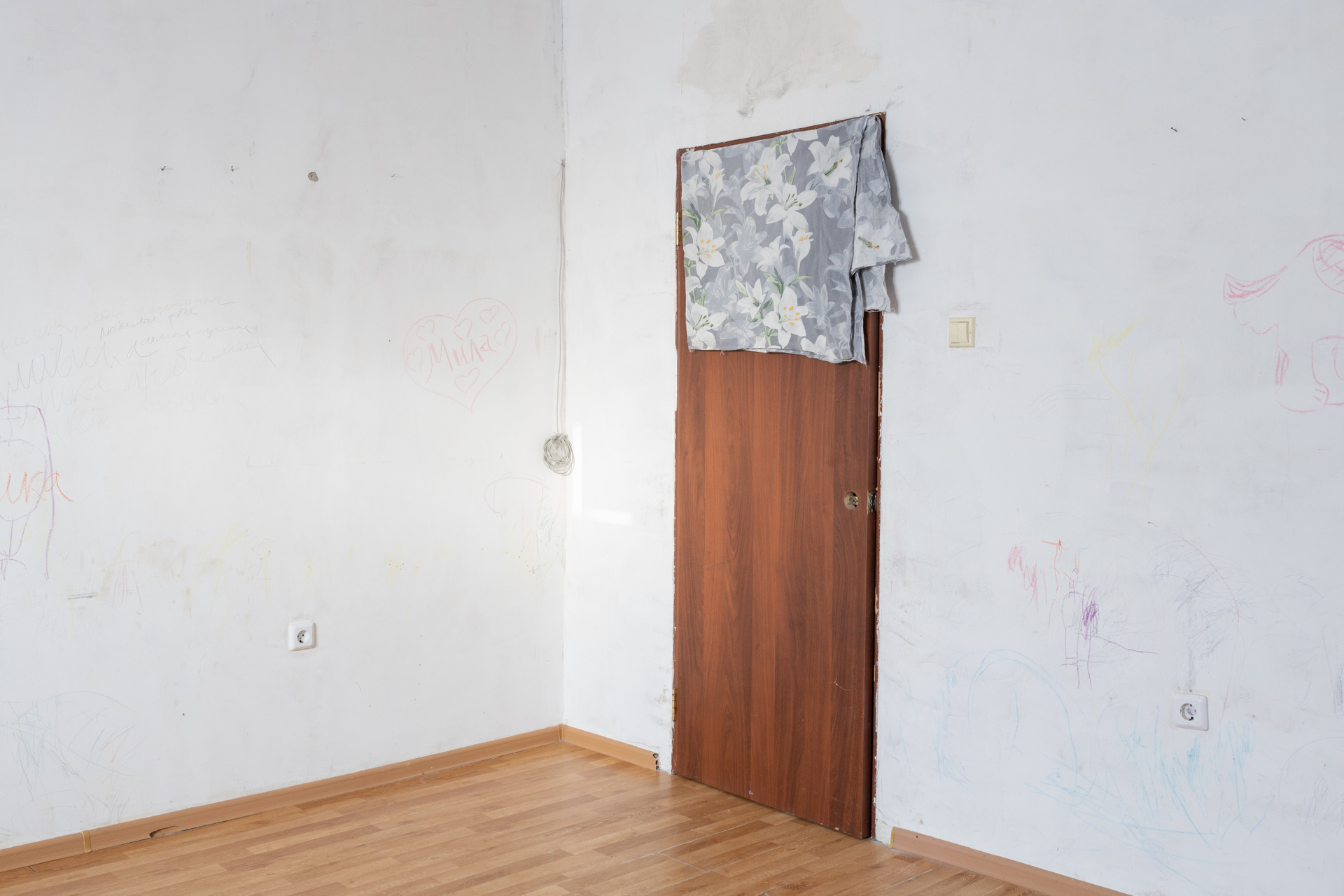
This project examines a community living in a prolonged state of rupture — where historical violence has not disappeared, but has quieted, dispersed across time and the structures of everyday life. It no longer appears as catastrophe, but operates as a slow depletion: of language, environment, bodies, and the future.
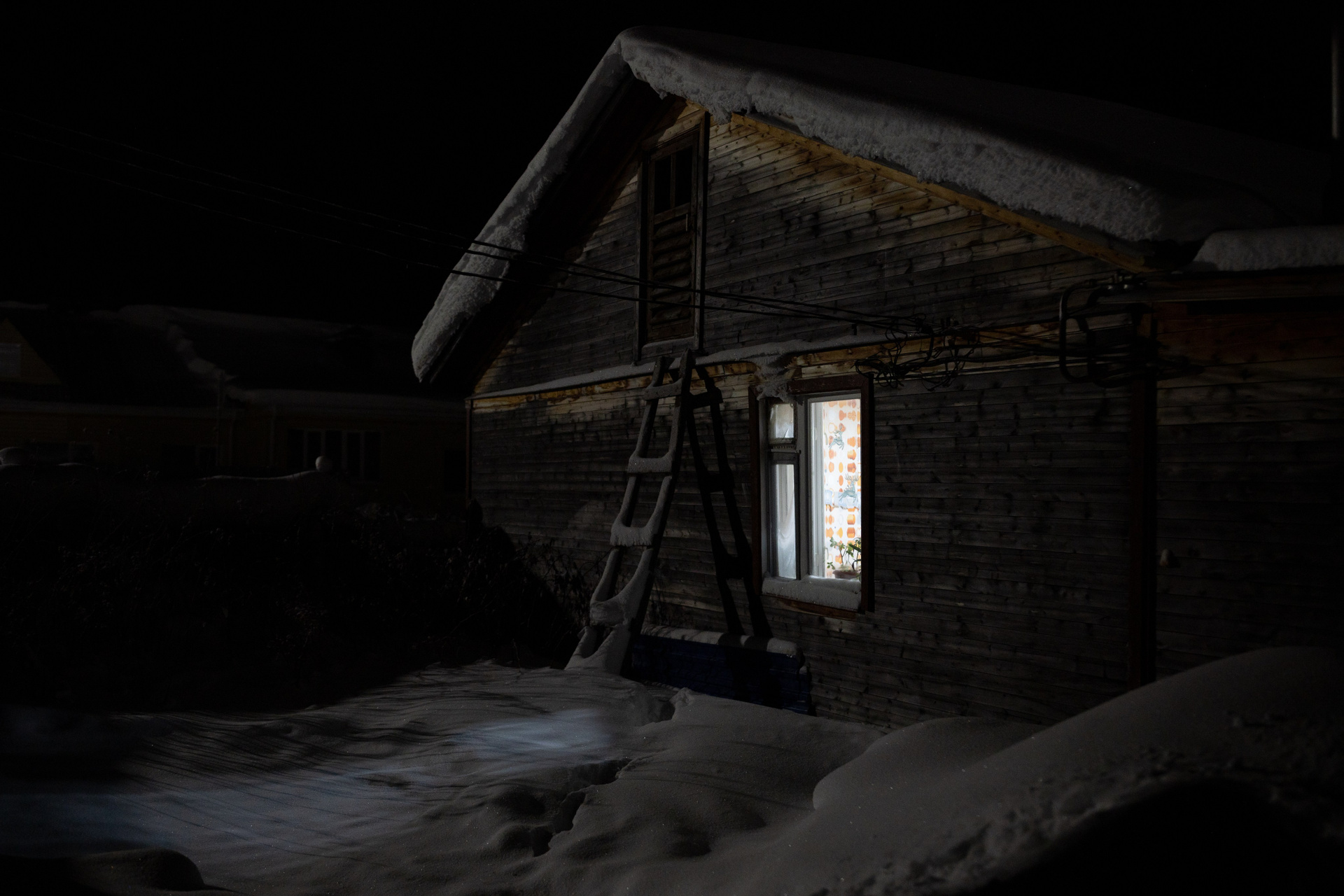
In Numto, silence is not empty. It is filled with what is not spoken aloud: a disappearing language, a sense of injustice, fear, and a history of loss that has not ended, but has grown quieter, as if sinking deeper into the earth.