CONTACT POINT (2026)
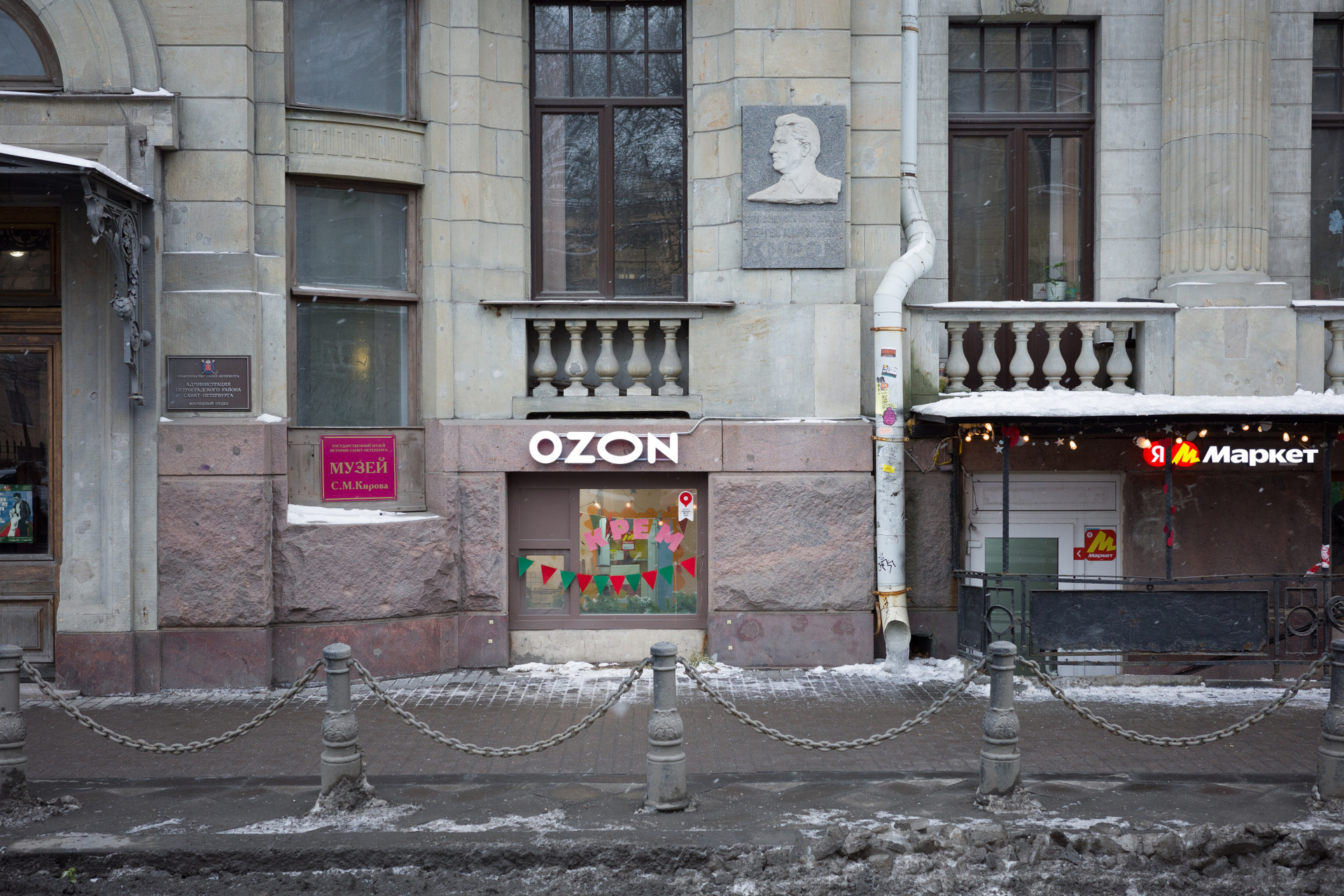
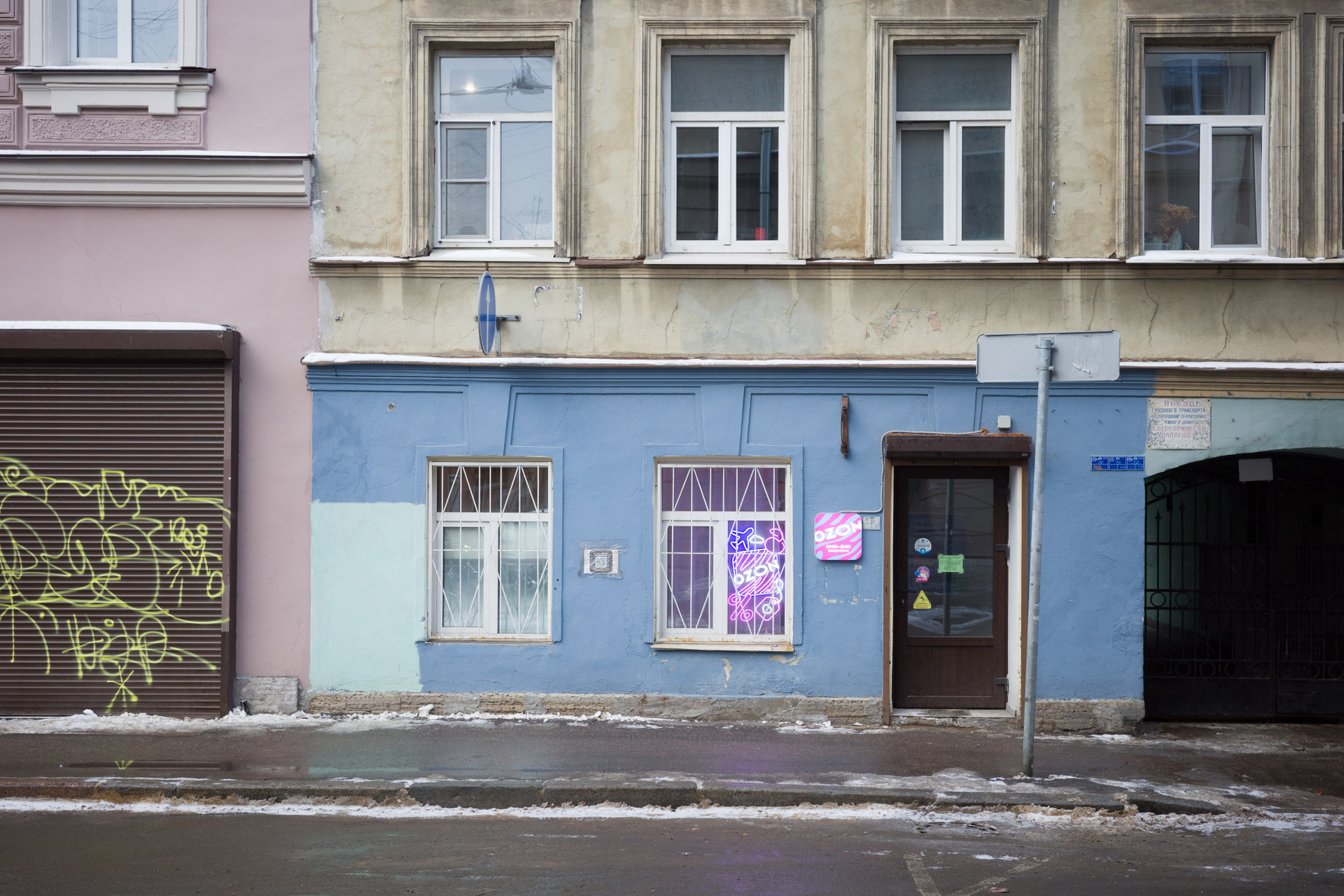
Pickup points are a striking phenomenon and a new stage of online and offline socialization. At the same time, their rapid expansion and specific mode of existence have become a defining feature of the post-Soviet space. Simply typing “pickup points” into a map reveals them everywhere — evenly scattered across the city. In recent years, they have become for many not just delivery infrastructure, but a kind of intermediate space between home and the city, between the personal and the impersonal. These are places where everyday life is reduced to a brief interaction: receive, check, sign, leave, yet behind this simplicity a new form of urban life gradually emerges.
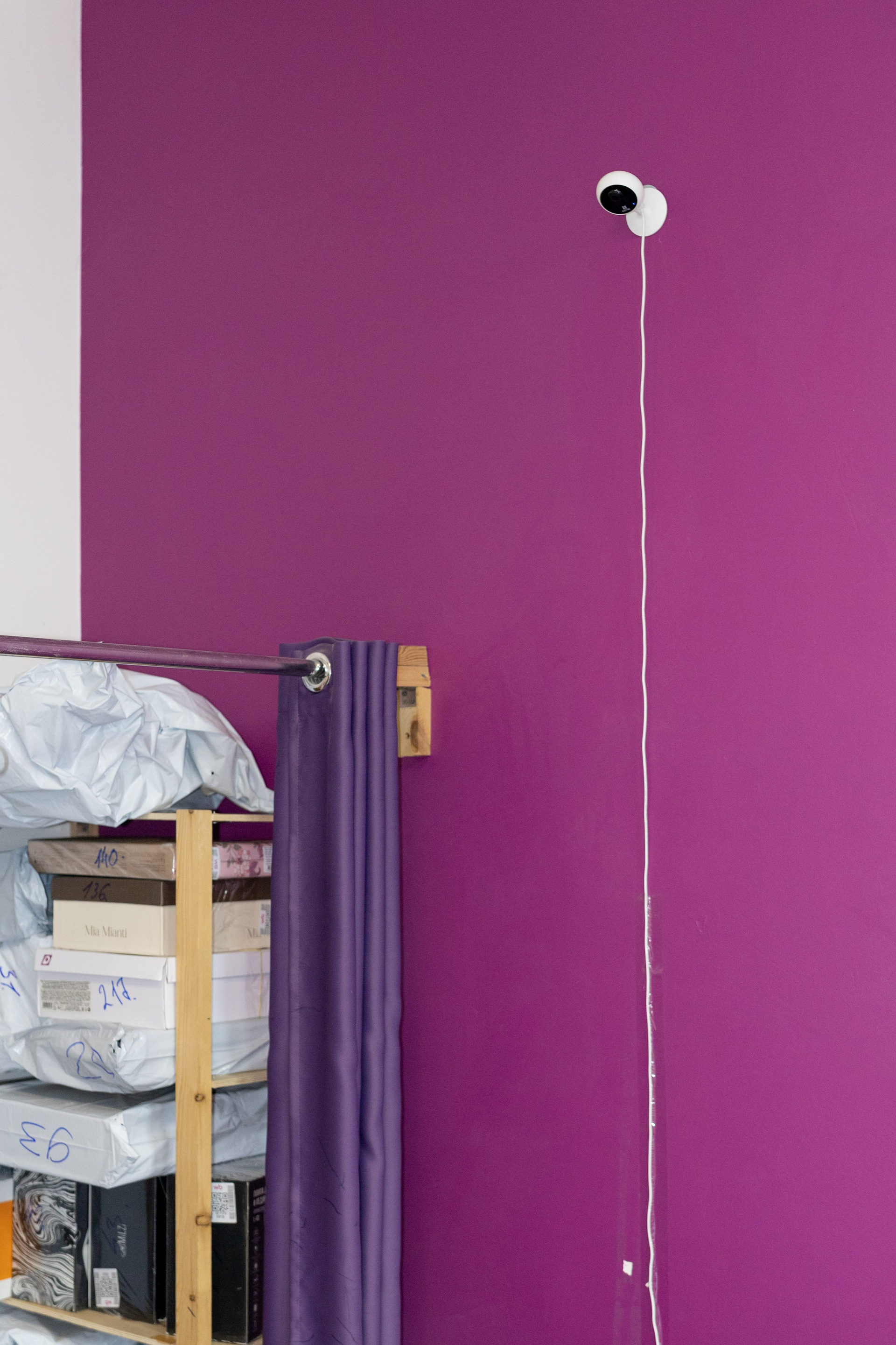
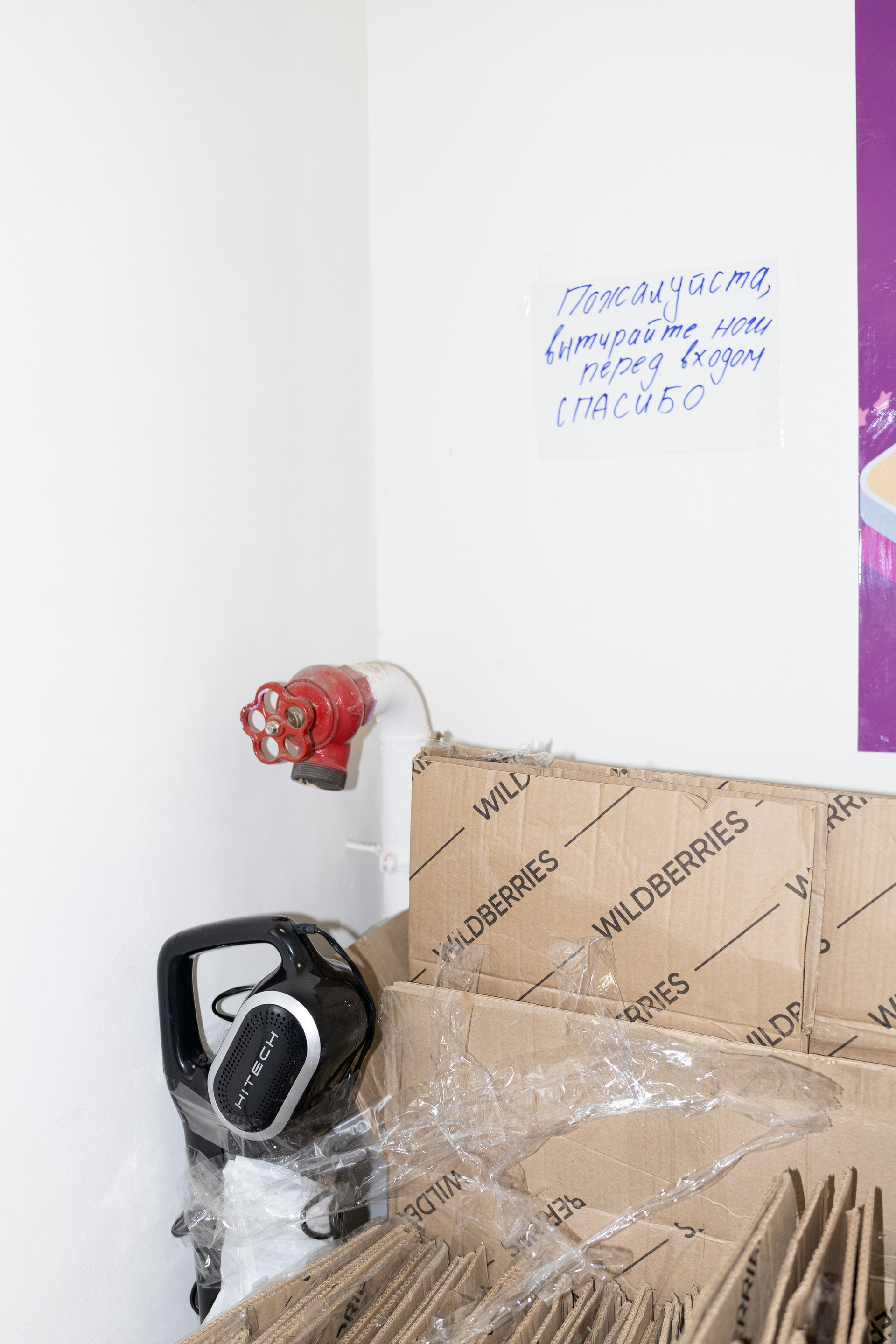
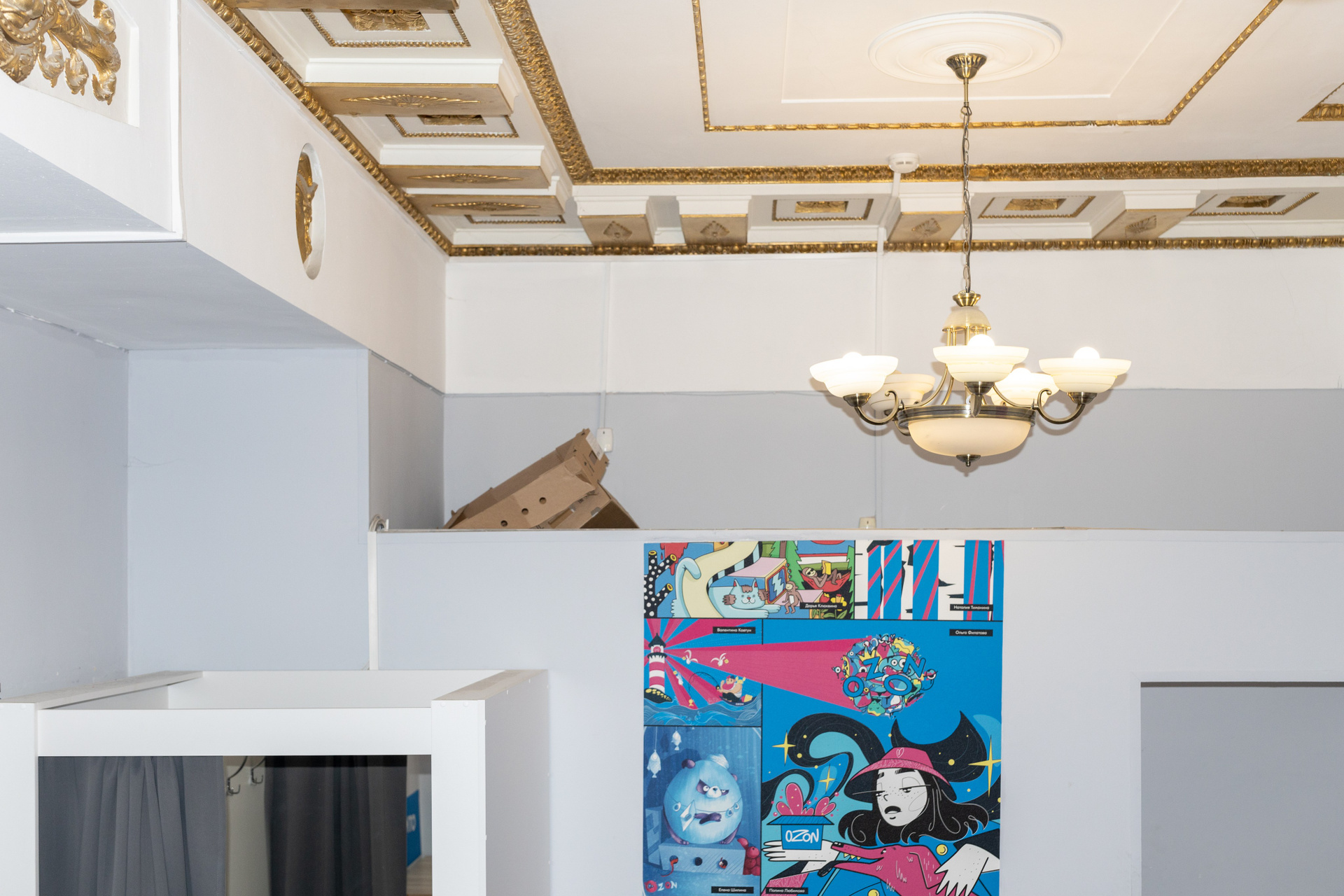
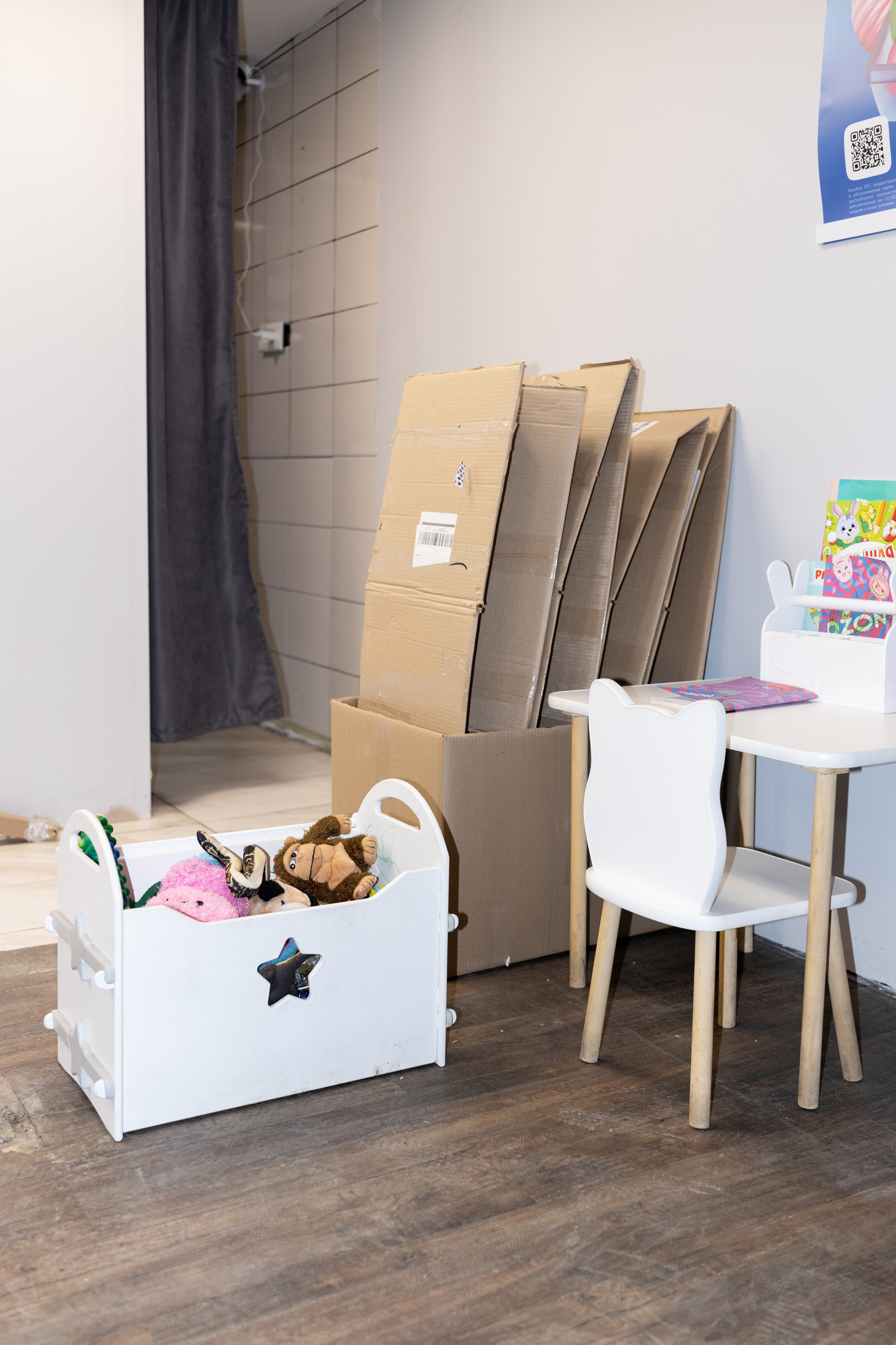
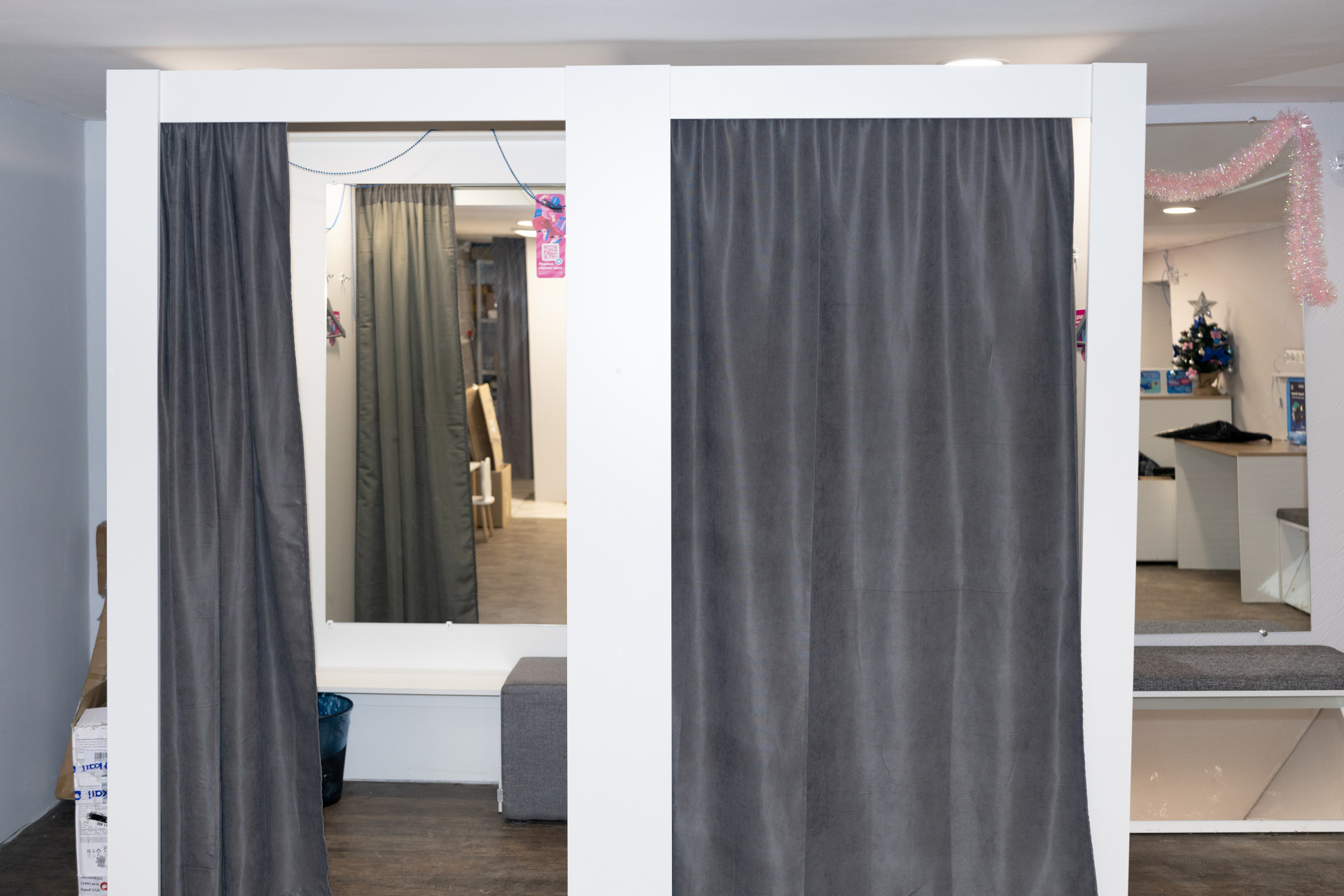
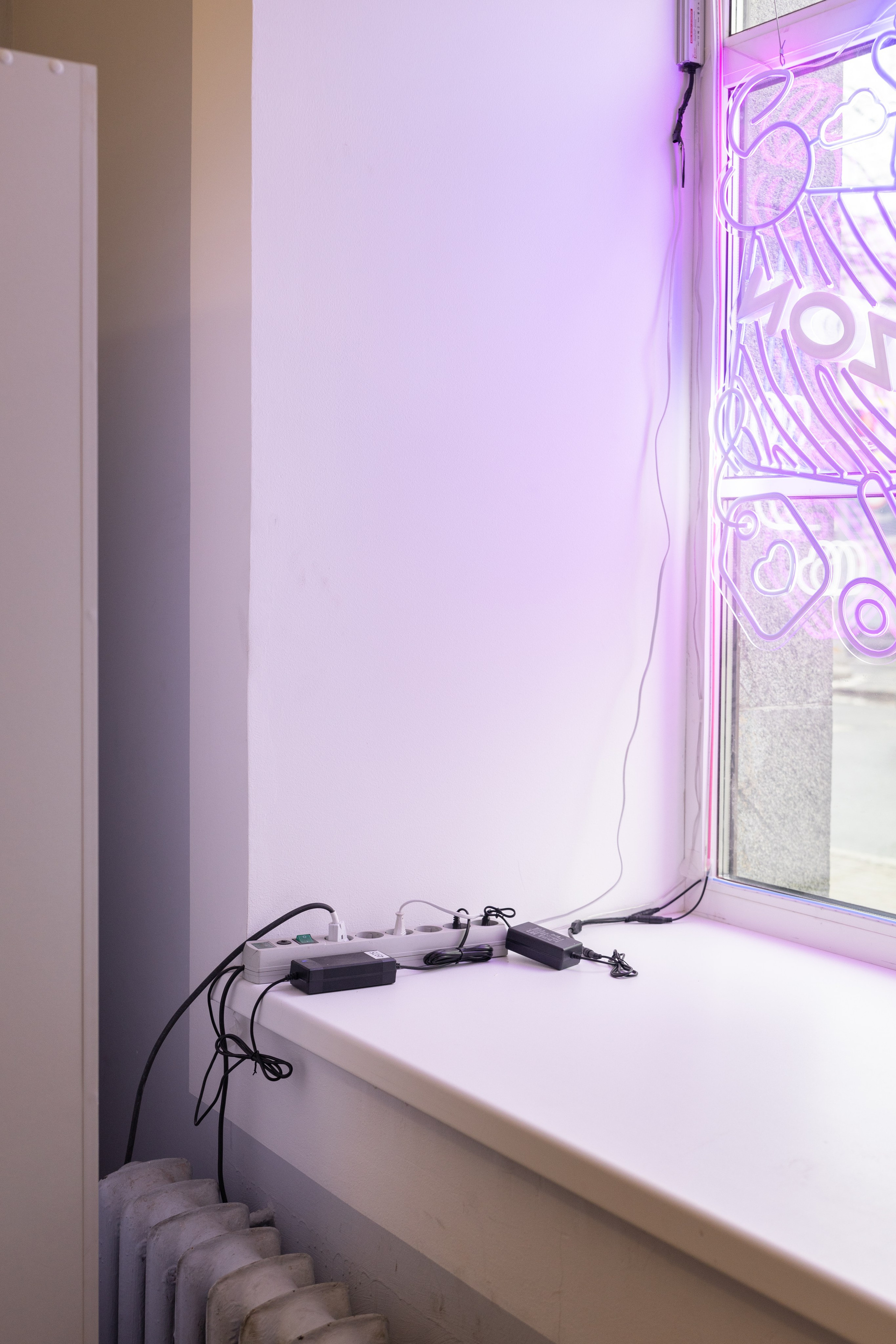
Pickup points have become for some an almost invisible but regular point of contact with the outside world — especially where other forms of social interaction have become rare or incidental. In these white, standardized interiors with identical lighting and design, a strange sense of stability takes shape. Despite their uniformity, these spaces are filled with different people and their states of being.
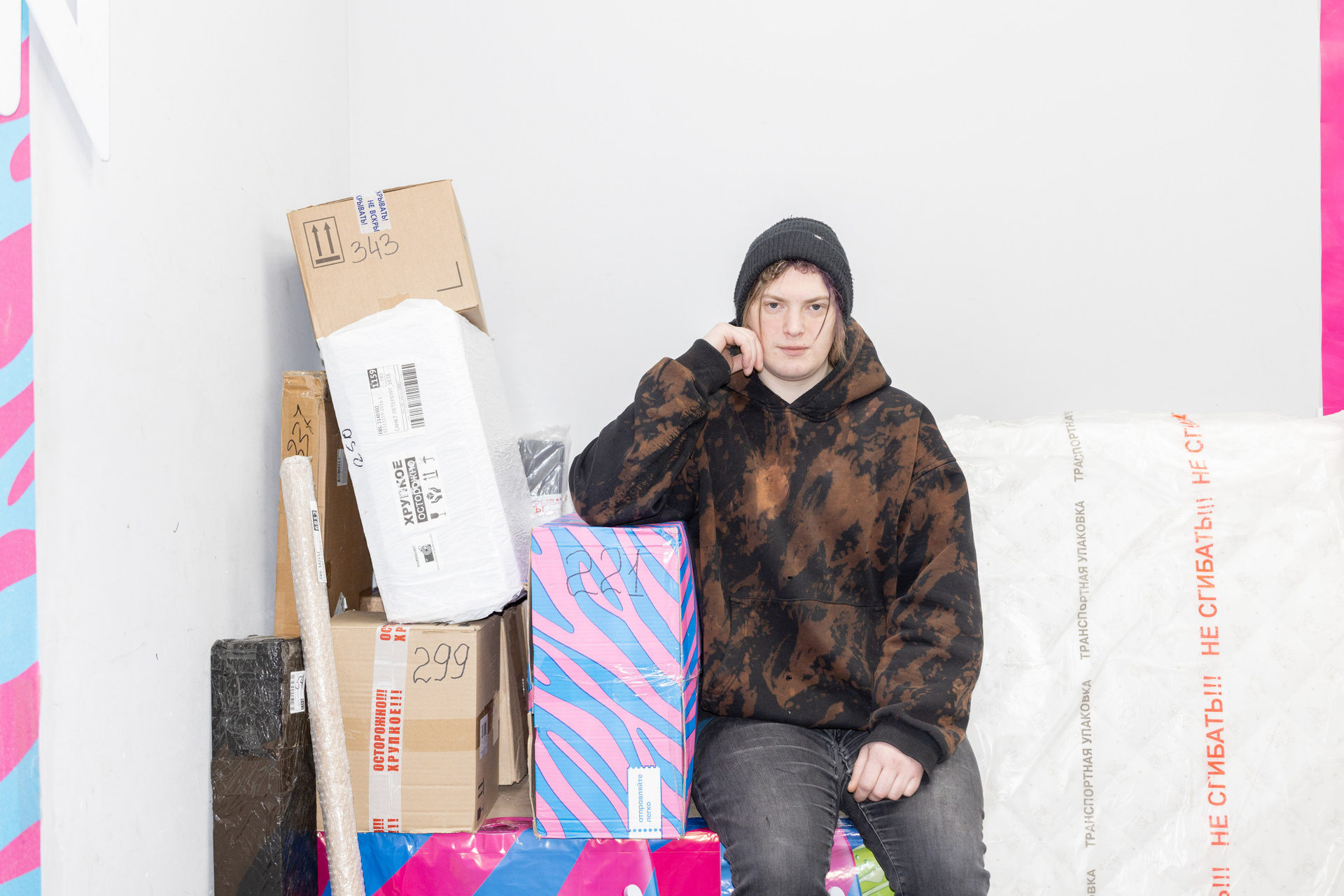
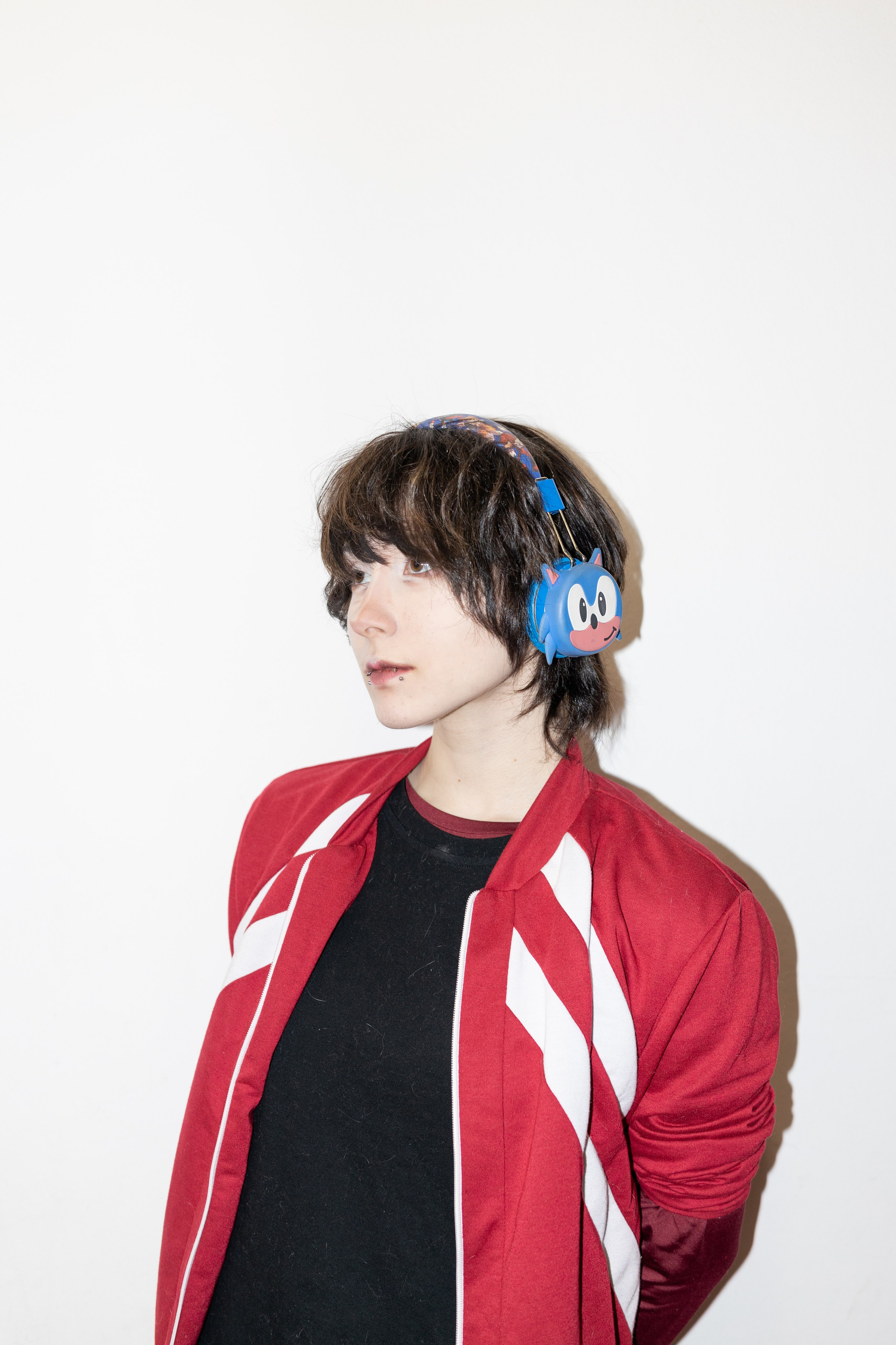
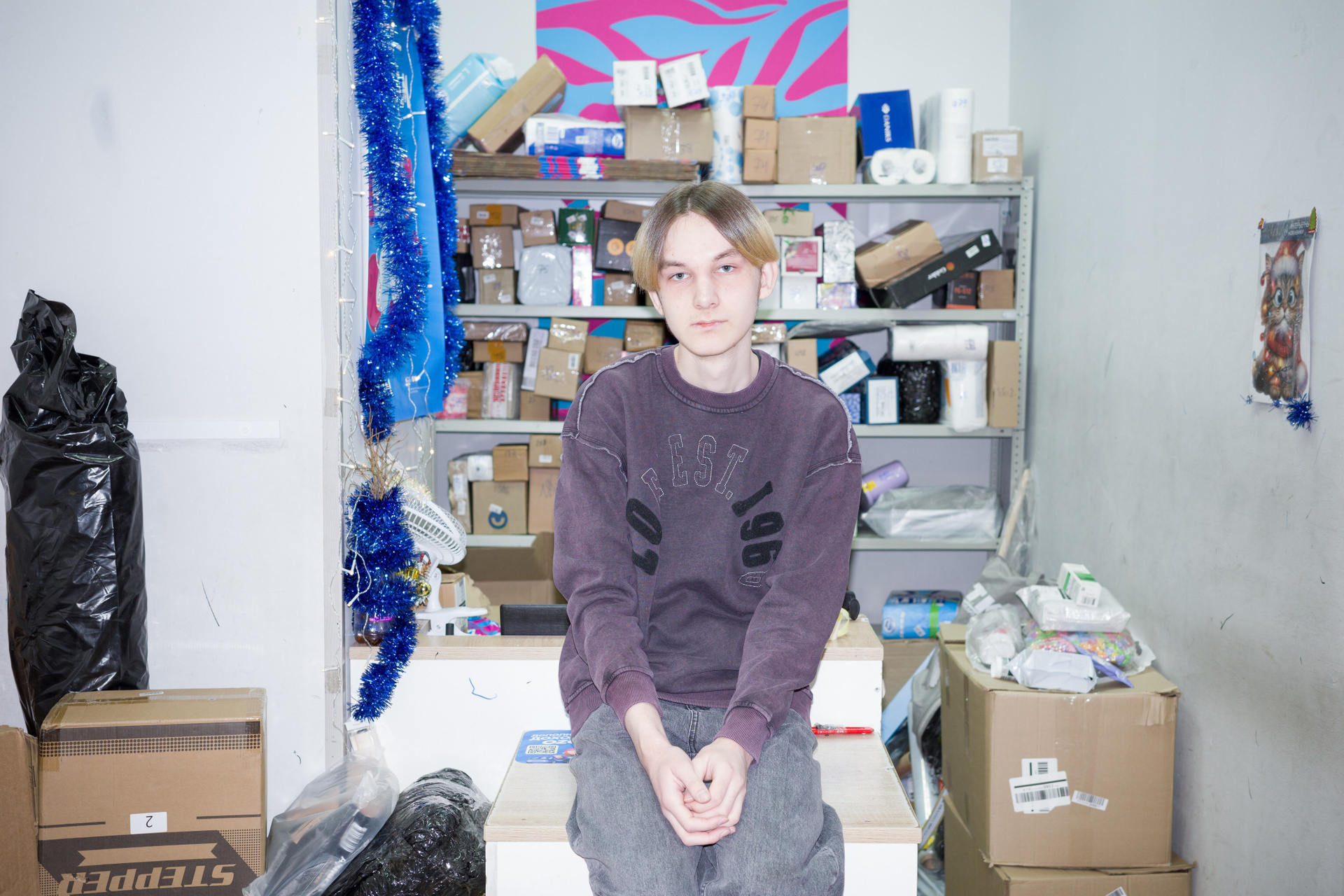
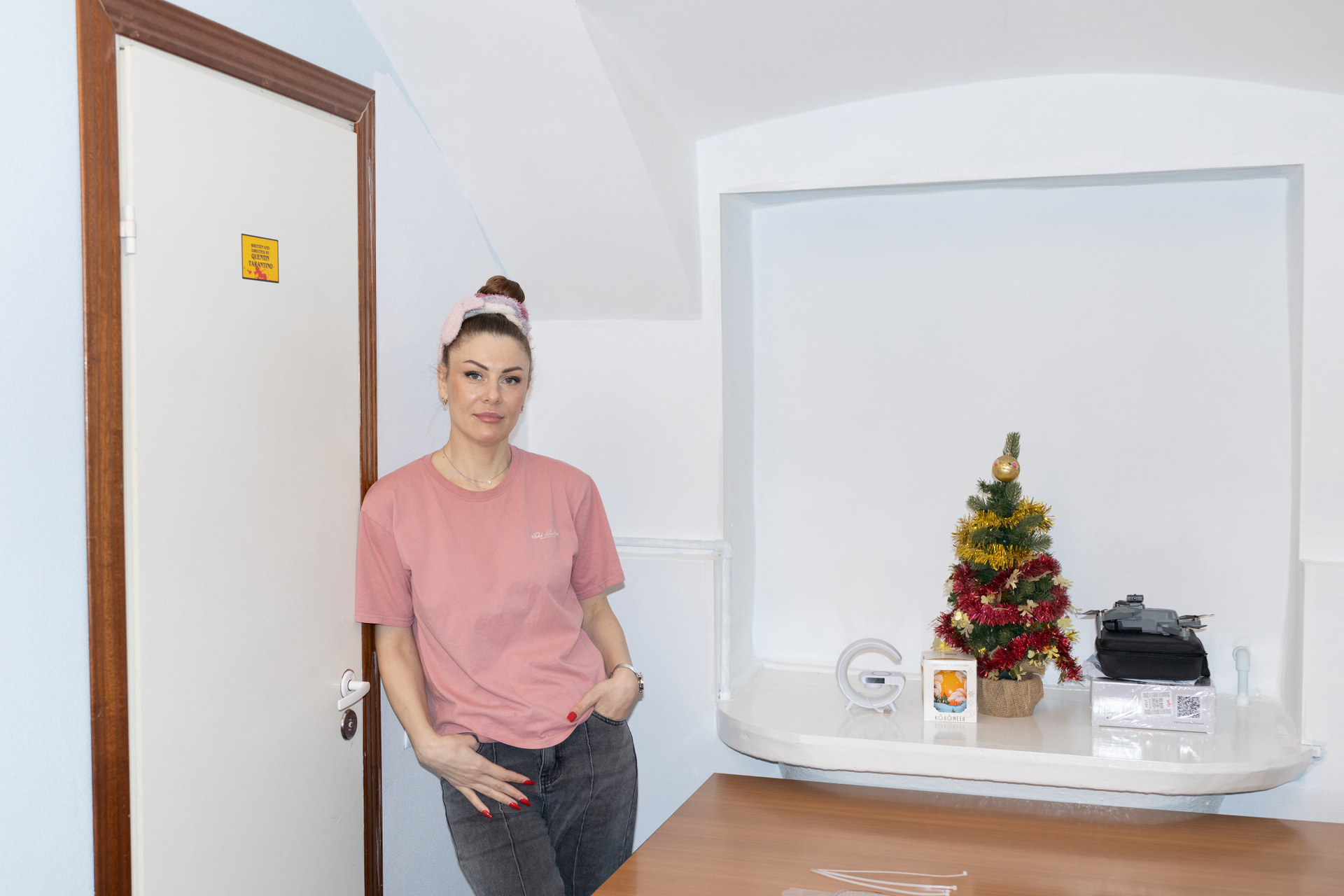
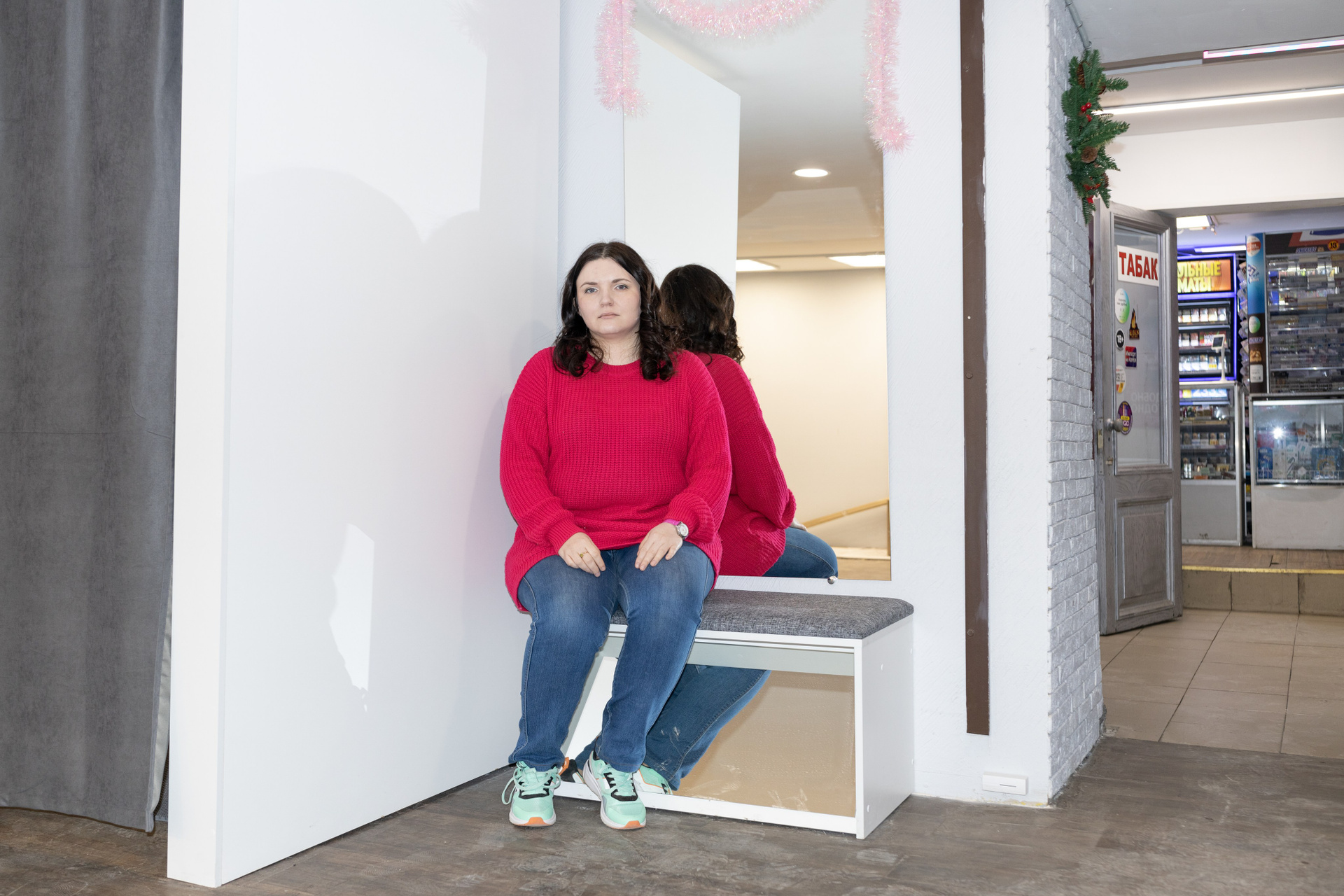
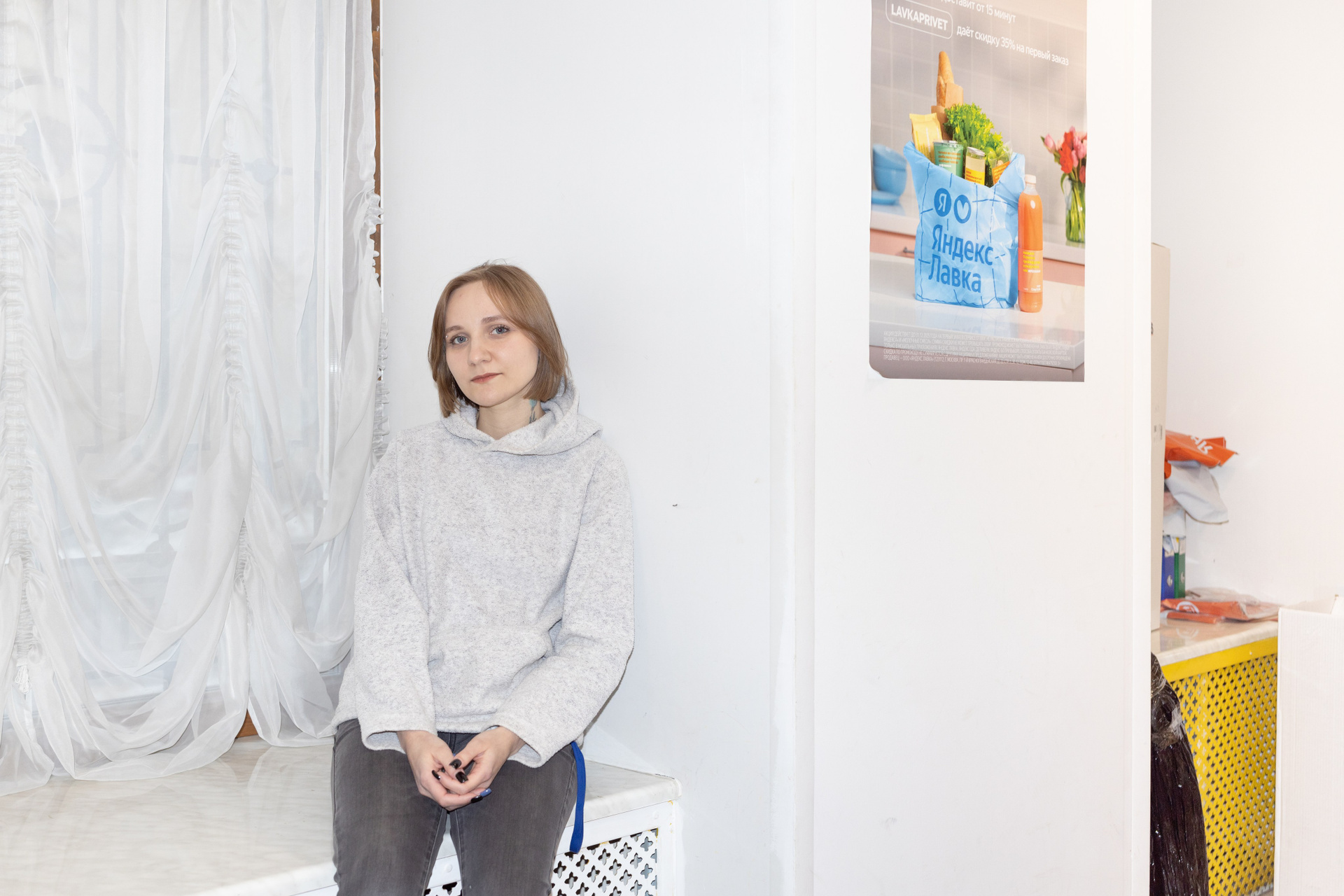
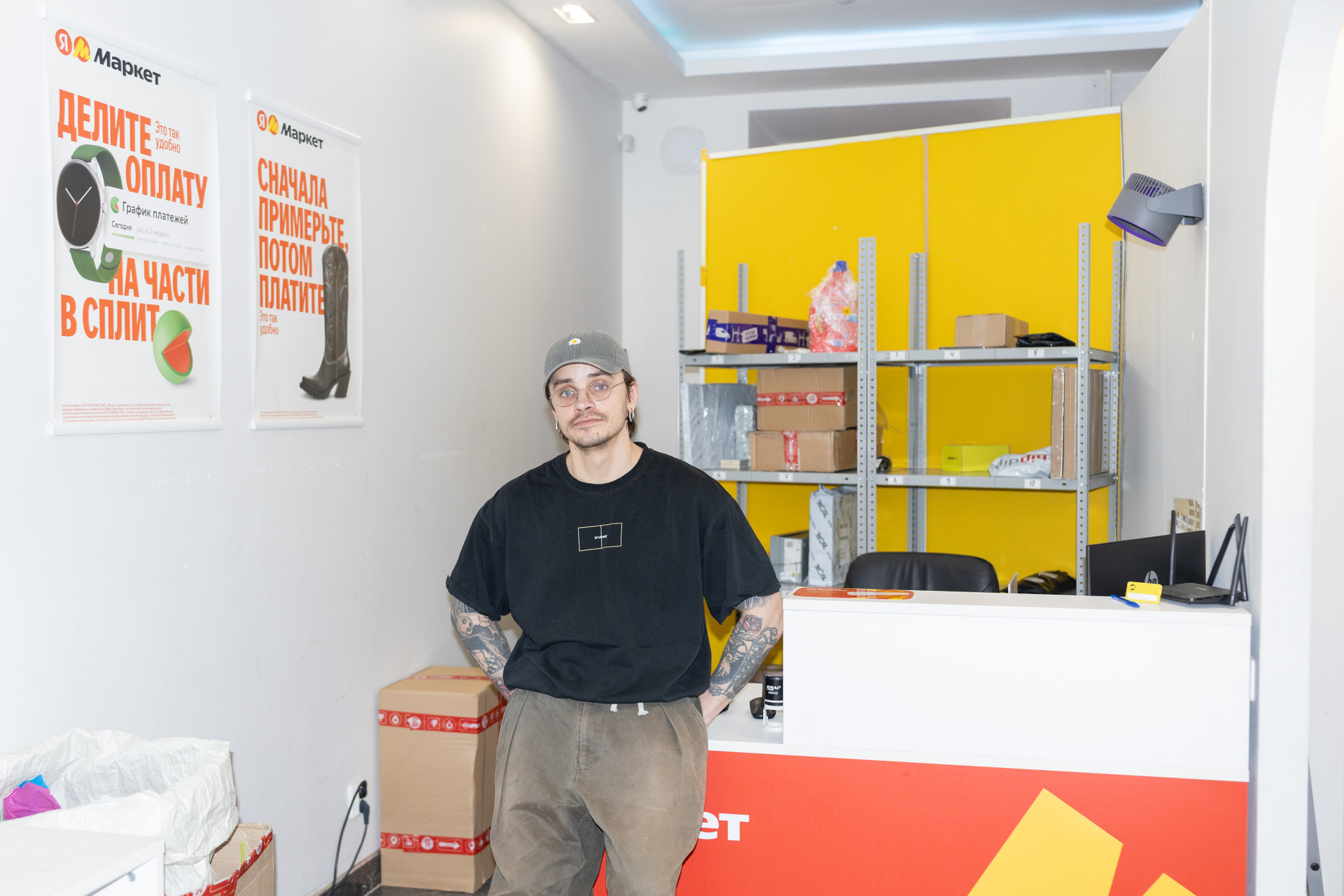
Pickup point workers are also part of this phenomenon. Some are going through a temporary period of unemployment, some are seeking additional income, others run their own point. For some it is a temporary stop, for others a conscious choice. Behind the counter you can find very different people: artists, musicians, sculptors, entrepreneurs, those who are trying, searching, or have already found their place.
Pickup point workers exist in the interval between the movement of goods and the stillness of their own workspace. They interact daily with dozens of strangers, remaining in the same fixed point in space where time is measured in queues and parcels.
This series is an attempt to look more closely at those who stand on the other side of the counter: their everyday routines, states of being, and the space that forms around them.